
Key Takeaways
- As a slot machine parts supplier, GOLDPRIME GAME stocks genuine, revision-matched spares because we build the machines they go into.
- A starter spare-parts kit can be scoped with your first machine order, so common failures are fixed in minutes, not shipping cycles.
- We supply the parts, the documentation and the build record; licensing and compliance in your market are your responsibility.
A cabinet is down, players are walking past it, and the part you need is three time zones away with a supplier who has never seen your machine. That moment is when the choice of slot machine parts supplier stops being a procurement detail and becomes floor revenue. GOLDPRIME GAME supplies parts the way we build machines: from one factory, with one accountable team, wherever your equipment runs.
Here is the answer up front. If you want to buy slot machine parts that actually fit — mechanically, electrically and at firmware level — buy them from the plant that produced your cabinets. We stock the service categories that fail in the field, match every part to your machine's build record, and can scope a starter spare kit with your first order so common failures never wait on a container. We supply the hardware, the software and the documentation; operating licenses and local compliance sit with the buyer.
This page is about the supply side: what we stock, how spares are planned, and how to get the right part fast. If you want the engineering view — what each component does inside the machine — our slot machine parts and components guide covers the component list itself.
What a Slot Machine Parts Supplier Should Actually Stock
A slot machine parts supplier is not a warehouse full of generic electronics. It is a supply operation that knows which parts fail, in which machines, at which revision — and keeps those exact items reachable.
The field-failure pattern in commercial gaming is predictable. Displays and backlights age. Power supplies absorb years of dirty venue power. Buttons and harnesses take the physical abuse. Boards fail rarely, but when they do, only the exact revision saves you. A supplier that stocks everything stocks nothing useful; a supplier that stocks nothing makes you a warehouse against your will.
Our stocking logic follows the failure curve, not the catalog. High-turnover service items are held on the shelf. Low-turnover, high-criticality items — like a specific mainboard revision — are held against active customer fleets, because a board that fits the slot but not the firmware is not a spare, it is a paperweight. Certifications (GLI / BMM / CE) are scoped per market and per order, and replacement boards carry the build record of the units they service — never implied as blanket approval.
Key Facts & Citable Data
The figures below are the most-cited facts on this page; each carries its source.
- HS code 9504.30. The customs classification under which casino game machines are typically declared for import. (Source: World Customs Organization public nomenclature)
- 30+ countries of export experience. GOLDPRIME GAME has shipped equipment, parts and software to operators in more than 30 countries. (Source: GOLDPRIME GAME company data)
- Quotes in ~72 hours. A configured quotation is returned within about 72 hours of a complete RFQ. (Source: GOLDPRIME GAME company data)
- EU logistics via a Frankfurt hub. European routes are served through GOLDPRIME GAME's Frankfurt hub, shortening delivery cycles for EU spare-part orders. (Source: GOLDPRIME GAME company data)
Figures dated 2026-08; verify the current version of any standard with the issuing body before filing.
Core Spare Categories We Keep on the Shelf
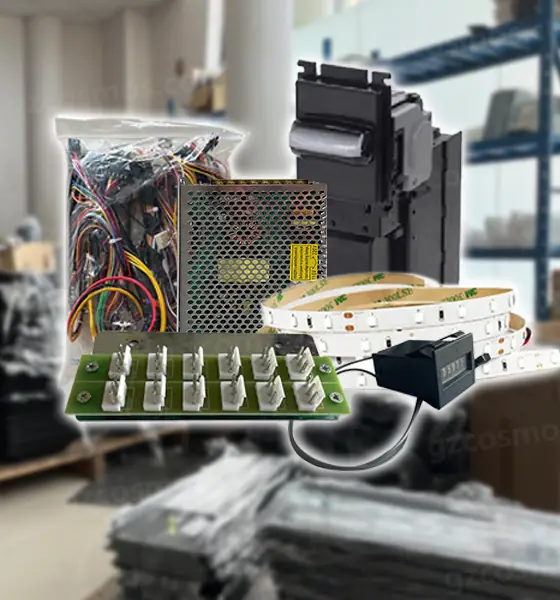
Six categories cover the large majority of field service on our cabinets. Each is stocked or produced against the revisions our customers actually run.
Monitors & Display Assemblies

The display is the part players touch, so it wears first. We stock touch-screen monitors, display panels and bezel assemblies in the sizes our cabinet lines use, matched for mounting, brightness and controller firmware. A replacement display from us arrives with the right harness and the right touch calibration target — not a generic panel that sort of fits.
Mainboards & Game PCBs
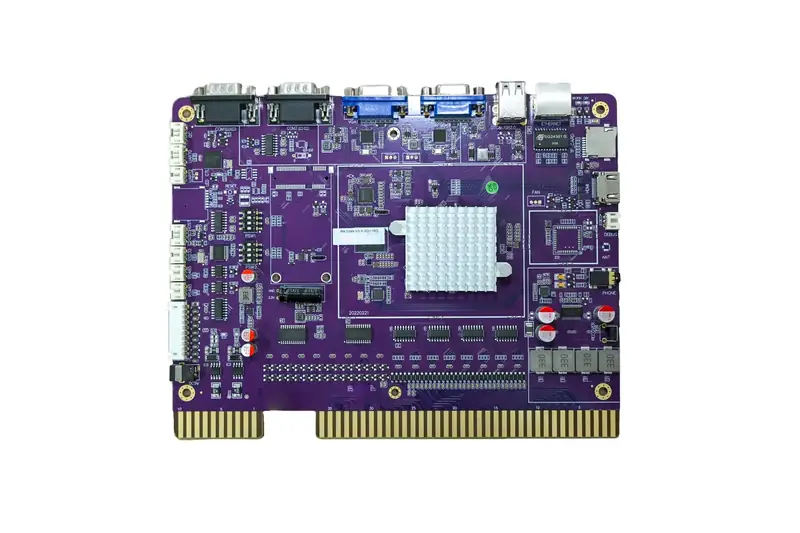
Boards are the highest-stakes spare. Our replacement slot machine boards are the same revisions your cabinets shipped with, flashed with the firmware your jurisdiction approved. This is the single strongest argument for buying parts from the manufacturer: the board that left our SMT line is the board that arrives at your dock, with a traceable build record behind it.
Power Supplies
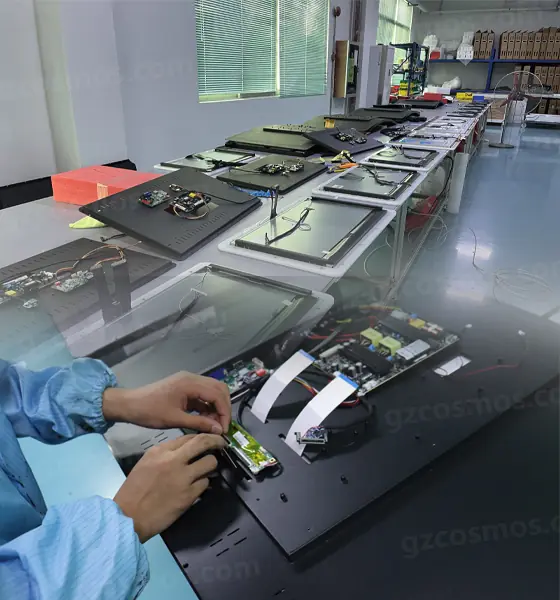
Venue power is hard on electronics, and the PSU takes the hit. We stock the power supplies used across our cabinet lines, specified against the board layout and load profile of each model — not an off-the-shelf unit with "close enough" amperage. Correct regulation and connectors are what keep a five-minute swap from becoming a board failure two months later.
Wiring Harnesses & Button Panels
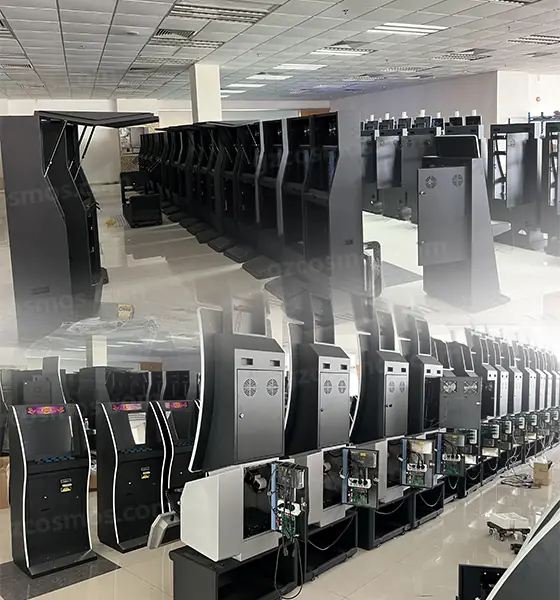
Harnesses and controls are the most physically abused parts on any floor. Our harnesses are cut, shielded and terminated to the same drawings used in production, so lengths and pin-outs match on the first try. Button panels, lamps and I/O boards ship as serviceable assemblies — the parts a technician swaps between close of business and reopening.
Bill Acceptors & Cash-Handling Mechs
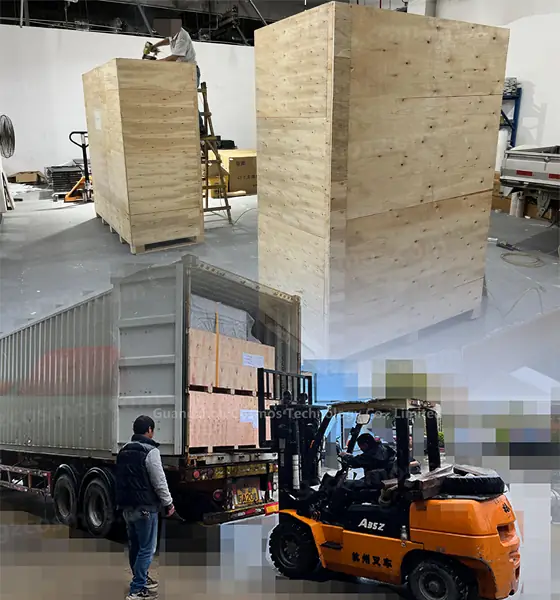
Cash handling is the revenue path, so downtime here costs the most per hour. Bill acceptors and mechs are sourced from qualified vendors and integrated in-house, then supplied as spares matched to your cabinet's mounting plate, harness and firmware configuration. Where a market's note set or ticket spec changes, we confirm compatibility against your jurisdiction before quoting.
Accessories & Consumables
Beyond the six core categories, the supply desk handles the small items that stall service calls: locks, keys, topper lamps, glass, artwork panels and cooling fans. They are cheap until you do not have them. Tell your account manager your cabinet mix and we will fold the consumables list into your spare-parts plan.
Spares-First: Planning Parts with Your First Order
Most operators think about spare parts after the first failure. We would rather plan them before the first container leaves. When you place an initial machine order, a starter spare-parts kit can be scoped alongside it — sized to your cabinet count, your venue's distance from resupply, and your in-house technical capacity.
A typical starter kit covers the high-wear categories: a spare display or backlight set, a power supply, harness assortments, buttons and a mech. For larger fleets, a revision-matched spare board is added so a board failure is a swap, not a shipment. The kit is a scoped line item in your quote, not a random box — you see exactly what is in it and what each item services.
This policy exists because the economics are lopsided. A starter kit costs a fraction of one cabinet, while one dark cabinet on a weekend can cost more than the kit in lost floor revenue. Operators running mixed fleets — slot machines alongside fish game machines — get a combined kit, because shared subsystems like displays and power make one shelf serve both lines.
How to Find the Right Part for Your Machine
The fastest spare-parts request is a specific one. Three pieces of information let our service desk match a part to your build record on the first pass:
- Cabinet model and serial number — printed on the cabinet's ID plate.
- A photo of the part or its label — revision codes matter more than category names.
- The symptom — "no display, backlight on" points to a different part than "dead unit."
Send those through the quote form or straight to our service desk via the contact page, and we confirm the exact part and revision before quoting. This verification step is deliberate. It is the difference between a supplier and a listing site: we would rather spend one email confirming a revision than ship you a board that fits the slot and bricks the boot sequence.
Our service desk works to a 48-hour first-response target on spare-parts RFQs. Common spares ship from stock; made-to-order or custom-revision parts follow the production queue, with timing confirmed in your quote. Plan around the confirmed figure, not a generic promise — that is what we promise instead of a slogan.
Parts Supply and the Machine Lifecycle
Spare parts are the long tail of a machine purchase. A cabinet earns for years, and its total cost of ownership is decided less by the purchase price than by how fast failures get fixed in year four. That is why parts supply belongs in the same conversation as the original order — and why buying machines from a factory that also stocks their parts closes the loop.
Because the same plant that builds the machines cuts the spare parts, your year-five replacement comes off the same tooling as your day-one order. When a component in the supply chain goes end-of-life, our engineering team re-spins the affected board and tells active fleet owners before it becomes a problem. Resellers cannot offer that, because they do not control the design they sold you.
For regulated operators, there is a compliance dimension too. A replacement board or mech can touch a machine's certified configuration, so build records follow the part and certification scope is confirmed with the order. Certifications (GLI / BMM / CE) are scoped per market and per order — never implied as blanket approval.
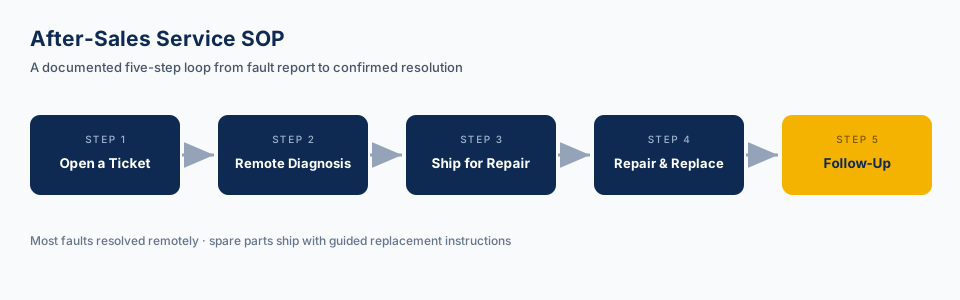
When a failure does happen, the repair follows a documented loop rather than an improvised one:
Parts Supplier vs. Parts Catalog: Which Page Do You Need?
We run two pages on parts, and they answer different questions. This page — the supply page — is for buyers: what we stock, how spares are planned, how to order, and how fast we respond. If you are holding a broken cabinet or planning a fleet's service stock, you are in the right place.
The slot machine parts and components guide is the engineering counterpart: what each component does, which parts are built in-house, and how cabinets, boards and harnesses fit together as a system. If you are evaluating our vertical integration or writing a technical RFQ, start there. Many procurement teams read both — the catalog for the what, this page for the how-to-buy.
Pricing, MOQ and Shipping for Spare Parts
Spare parts follow simpler commercial terms than whole machines. Most service items have no meaningful minimum order — a single power supply or harness is a normal order, and MOQ from 1 unit applies across the parts desk the same way it does on cabinets. Pricing is quoted per line item with the revision confirmed, so the number you approve is the number on the invoice.
Shipping is sized to urgency. Small, urgent spares — a board, a mech, a harness set — travel by courier or air freight, because a five-kilogram box should not wait for a container. Bulk restocks and starter kits can ride with your next machine shipment to save freight, and we flag that option in the quote when the timing works. For export experience, we have shipped to 30+ countries, so customs documentation for gaming parts is routine for our logistics team rather than an experiment.
One practical note: tell us the destination's import posture when you request the quote. Some markets classify gaming components differently from gaming machines, and the right paperwork up front is faster than the wrong paperwork twice.
Common Parts-Ordering Mistakes We Help You Avoid
After enough service tickets, the same mistakes repeat. Naming them here is cheaper than learning them on a dark cabinet.
Buying by category instead of revision. "A 32-inch touch monitor" is a category; the part your cabinet needs is a specific panel, controller and harness revision. Photos and serial numbers close this gap before money moves.
Stocking the cheap parts and skipping the critical ones. Buttons and fuses are easy to buy and rarely the bottleneck. The spare that saves a weekend is the revision-matched board or display — the item only the manufacturer can reliably supply. Balance the kit by downtime cost, not unit price.
Assuming a generic part is neutral. A generic PSU with similar ratings can pass noise into a sensitive board; a generic mech can misreport to the firmware. The savings are real but small, and the failure shows up somewhere else in the machine, weeks later.
Waiting for a failure to open the parts conversation. The fastest spare is the one already on your shelf. Scope the starter kit with the machine order, review it annually against your fleet's failure history, and the parts shelf becomes a non-event.
Getting a Parts Quote
A good parts relationship starts with one accurate order. Send your cabinet model, serial number and a photo of the part through the RFQ form, and we will come back in about 72 hours with the matched part, price and confirmed shipping window. Planning a new floor instead? Ask for the starter spare-parts kit to be scoped into your machine quote, so your service shelf is stocked before your first weekend rush.
We supply the parts and the paperwork; your market's rules are yours to confirm. Bring your market and your machine list, and we will bring the parts.
Frequently Asked Questions
Where can I buy slot machine parts for commercial machines?
The safest source is the slot machine parts supplier that built your machines. GOLDPRIME GAME supplies genuine, revision-matched spares — boards, monitors, power supplies, harnesses and bill acceptors — to licensed operators and distributors, so replacements drop in without firmware or fitment surprises.
What slot machine parts do you keep in stock?
We stock the high-turnover service categories: mainboards and game PCBs, touch-screen monitors and displays, power supplies, wiring harnesses, button panels and I/O boards, plus bill acceptors and cash-handling mechs. Made-to-order or custom-revision parts follow the production queue and are confirmed per RFQ.
Do you also supply arcade machine parts?
Yes. The same supply desk covers arcade machine parts for our fish game machines, push-score cabinets and video cabinets — displays, boards, power and controls. Because arcade and slot lines share engineering, many subsystems are common, which keeps stocking simpler for mixed-format venues.
How do I find the right part for my machine model?
Send us the cabinet model, serial number and, if possible, a photo of the part or its label. Our service desk matches it against the build record for your order and confirms the exact revision before quoting. This avoids the classic mistake of buying a board that fits the slot but not the firmware.
Do spare parts ship with new machine orders?
A starter spare-parts kit can be scoped with your first order — typically the high-wear and high-failure items for your cabinet mix. It is sized with your account manager rather than shipped as a random box, so the kit reflects the machines you actually run and the distance your venue is from a resupply.
How fast do you respond to a spare-parts request?
Our service desk works to a 48-hour first-response target on spare-parts RFQs, and common spares ship from stock. Made-to-order parts follow the production queue. Exact stock and transit times are confirmed in your quote, so plan around the confirmed figure rather than a generic promise.
Are your parts compatible with third-party machines?
Our parts are engineered and revision-matched for GOLDPRIME GAME builds, and that is where we guarantee fit, firmware match and support. Some generic categories like monitors or power supplies may physically suit other cabinets, but we do not certify cross-brand compatibility — tell us your fleet and we will advise honestly.
Do you supply bill acceptors and monitors as standalone parts?
Yes. Bill acceptors and cash-handling mechs, touch-screen monitors and display assemblies are available as standalone line items, supplied to the specification used in your cabinets. Integrated items like mechs ship with the harness and mounting hardware matched to your cabinet revision where applicable.
Who can order parts from GOLDPRIME GAME?
Operators, distributors and service partners maintaining equipment in the field. We supply the parts and the documentation; a component can change a machine's compliance posture in a regulated market, so certification scope is confirmed per market and per order — and local compliance remains the buyer's responsibility.