
Key Takeaways
- Form factor should follow floor zone and player segment, not just purchase price
- Linked upright and large-format cabinets generate the highest engagement and throughput
- Curved and compact cabinets maximize revenue per square meter in tight venues
Choosing the right cabinet form factor is one of the highest-leverage decisions an operator makes when planning a floor. The cabinet determines how many players a unit can serve at once, how much floor space it occupies, and what kind of experience it delivers. Get the form factor right and you improve both player throughput and revenue per square meter.
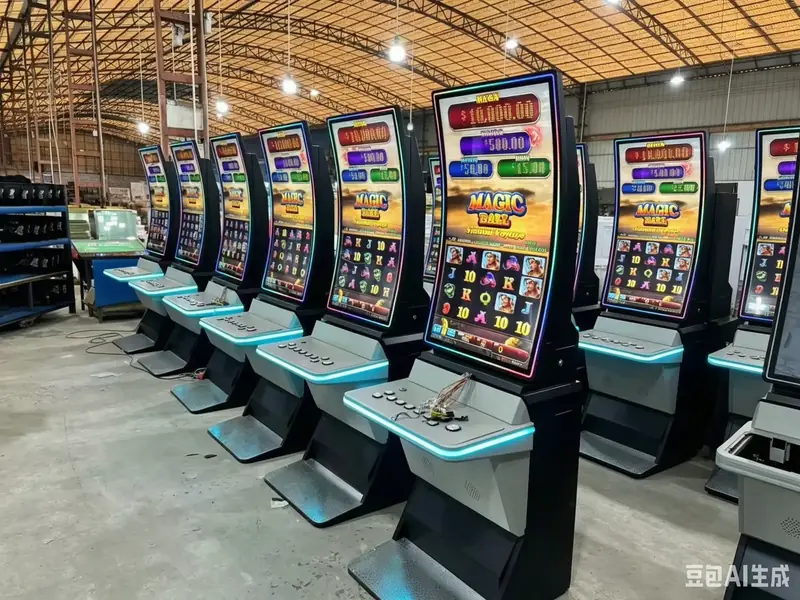
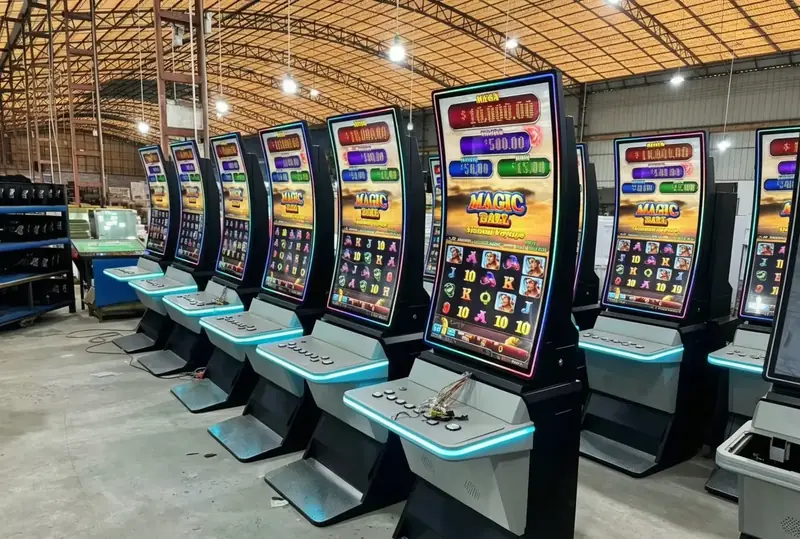
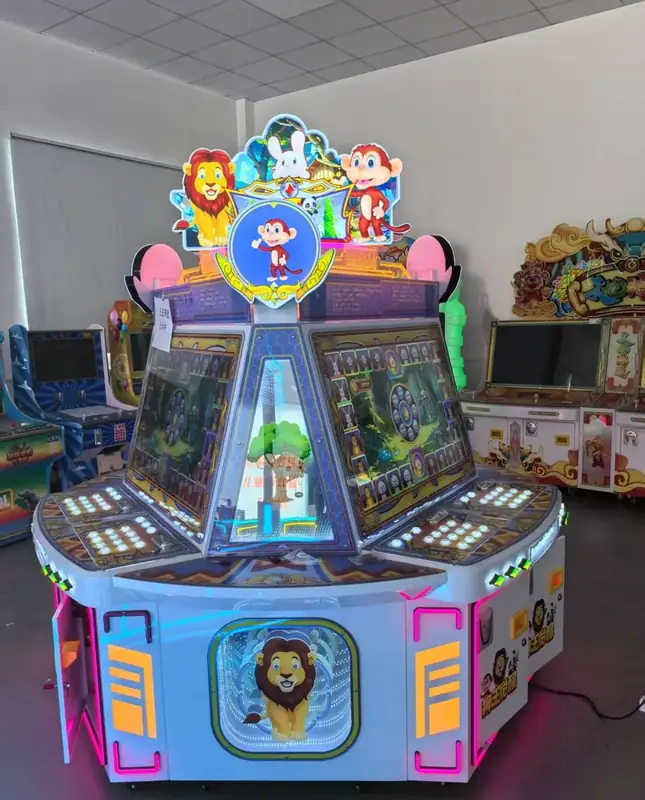
The Main Form Factors
Upright Linked Cabinets
Upright linked cabinets are arranged as a bank of stations that share a single game session. A common configuration seats up to 8 players simultaneously around a shared screen or linked screens. They are the social engine of an arcade floor — players compete, compare scores and stay longer. Footprint is larger per player than a single cabinet, but player count and dwell time are the highest of any form factor.
Lowboy / Bar-Top Cabinets
Lowboy and bar-top units sit lower to the ground or mount on a counter. They are compact, accessible and ideal for venues where players stand or sit on stools. Footprint is small and throughput per unit is moderate. These are well suited to casual traffic areas and bar environments where space is at a premium.
Large-Format Flat Cabinets (e.g. 85")
Large-format flat cabinets place a single, wide screen horizontally so multiple players gather around it. The immersive screen size creates a focal point and supports multi-player gameplay. Footprint is significant but the player count is high, making it a strong centerpiece unit.
Curved 43" Cabinets
Curved cabinets use a 43" curved screen to deliver visual impact from a relatively small footprint. The curve draws the eye and wraps players into the game. They are a popular compromise between the presence of a large-format unit and the space economy of a compact cabinet.
Claw / Redemption Cabinets
Claw and redemption cabinets are skill-timed or skill-influenced units that dispense prizes or tickets. They are the workhorses of family and redemption venues, with high play frequency and straightforward operation.
Comparing the Options
| Form Factor | Indicative Footprint | Players / Seats | Throughput | Ideal Player Segment |
|---|---|---|---|---|
| Upright linked | Indicative 3–5 m² | Up to 8 | High | Social / competitive |
| Lowboy / bar-top | Indicative 0.8–1.5 m² | 1–2 | Moderate | Casual / bar |
| Large-format flat (85") | Indicative 2.5–4 m² | 4–10 | High | Group / immersive |
| Curved 43" | Indicative 1.5–2.5 m² | 1–4 | Moderate–High | Space-conscious |
| Claw / redemption | Indicative 1–2 m² | 1 | High (frequency) | Family / redemption |
Figures are indicative and vary by market and exact model. Confirm dimensions with your supplier before floor planning.
Mapping Form Factors to Floor Zones
A practical floor is zoned by player intent:
- Traffic anchor — place large-format flat and upright linked cabinets near the entrance to create a visible, social draw that stops passers-by.
- Core floor — curved 43" and lowboy units fill the main play area, balancing footprint against player count.
- Casual / bar — lowboy and bar-top cabinets fit perimeter and seating areas where players engage between other activities.
- Experiential — claw and redemption cabinets in a dedicated prize zone drive repeat visits and family traffic.
Selection Checklist
- Measure available floor area and power/network access per zone.
- Decide the target player segment for each zone.
- Match form factor to segment using the table above.
- Balance anchor units (high dwell) with redemption units (high frequency).
- Confirm local classification requirements before finalizing the mix.
FAQ
How many players can an upright linked cabinet serve?
A typical linked bank supports up to 8 simultaneous players, though exact seat counts vary by model and configuration.
Which form factor gives the best revenue per square meter?
Curved and compact cabinets tend to maximize revenue per square meter in space-constrained venues, while large-format and linked units maximize total engagement and dwell time.
Can I mix form factors on one floor?
Yes. Most successful floors combine an anchor (large-format or linked), a core mix (curved/lowboy) and a redemption zone for balanced traffic and revenue.
Do curved cabinets need special installation?
They use standard power and, for linked features, network access like other cabinets. No special infrastructure beyond what the model specifies is required.