
Key Takeaways
- A manufacturer designs and builds the cabinet and software and owns tooling, engineering and quality.
- A supplier is the broader commercial term for who you buy from — it may manufacture, distribute, or both.
- A trading company resells other brands' hardware and passes their compliance gaps to you; accountability ends at the invoice.
The terms slot machine manufacturer, supplier, and trading company get used interchangeably in RFQs, and that ambiguity is expensive in regulated markets. They are not the same thing, and the difference shows up exactly when something goes wrong — during an inspection, after a software update, or when a new market rule lands.
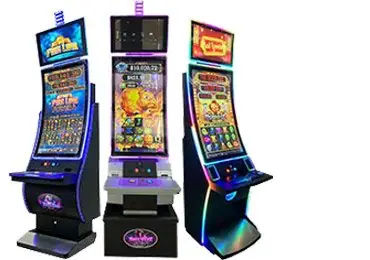

Here is the answer up front: the manufacturer is accountable for what actually ships; the supplier is the commercial relationship you buy through; the trading company is accountable only until the invoice clears. For a licensed operator, accountability is the whole game.
The three roles, defined
| Role | Owns the build? | Owns certification? | Accountability |
|---|---|---|---|
| Manufacturer | Yes — design, tooling, assembly | Yes — can document per serial | Through the product lifecycle |
| Supplier | Maybe — may manufacture or distribute | Depends on whether it is the factory | Through the commercial relationship |
| Trading company | No — resells others' hardware | No — passes vendor gaps to you | Ends at invoice |
Manufacturer
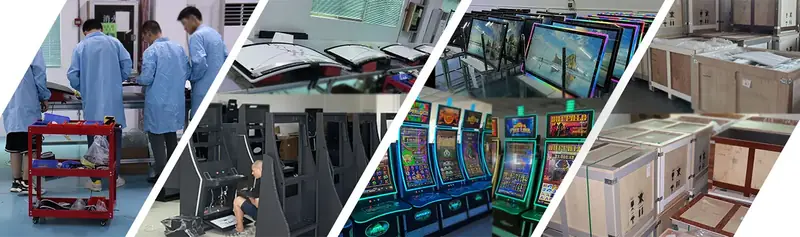
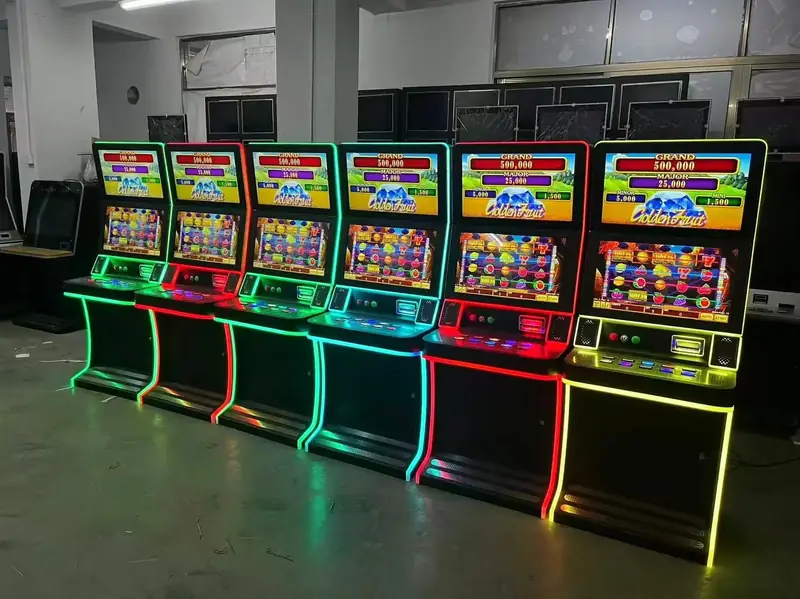
A real slot machine manufacturer designs and builds the full cabinet and its software — sheet-metal frame, electronics, screen, firmware and game content — plus the CMS that runs the floor. As a manufacturing factory, it also develops the platform, so a licensed operator gets one accountable supplier instead of a trading desk.
The manufacturer owns:
- Tooling and engineering.
- Quality and factory acceptance.
- The certification trail tied to the serial number.
When a rule changes, the same team that wrote the code and built the board answers the question.
Supplier
"Supplier" is the broadest term. It describes who you buy from, and may be a manufacturer, a distributor, or both. GOLDPRIME, for example, is both a factory and a direct supplier to licensed operators and distributors. The term alone does not tell you whether the seller controls the build — you have to ask.
Trading company
A trading company resells other brands' hardware. It does not own the board, the cabinet, or the firmware, and usually cannot answer a compliance question at the component level. When a certification mismatch appears, the trading desk points at the factory it does not control. For a regulated operator, that gap becomes floor downtime, brand mismatch, and a regulator's phone call.
Evaluation dimensions for regulated operators
| Question | Manufacturer | Trading company |
|---|---|---|
| Who reproduces the cert trail? | The factory, per serial | You, from a vendor it can't reach |
| Who owns the board/firmware? | The factory | A third party |
| What happens at a rule change? | One managed update | Three vendors, unclear owner |
| Batch #2 = batch #1? | Documented tolerances | Unknown |
Which should you choose?
For licensed, regulated-market operators, the safest posture is a supplier that is the manufacturer — or an integrated OEM/ODM partner that owns board, cabinet, firmware and certification as one unit. A pure trading company is viable only when you already control the compliance documentation yourself.
Related reading
- Slot Machine Manufacturer & OEM/ODM Factory — what a real factory owns.
- Slot Machine Supplier — the commercial relationship explained.
- OEM/ODM Services — one accountable source end to end.
- Compliance — certification that travels with the hardware.
Frequently Asked Questions
See the FAQ panel above. For a market-specific build scoping, tell us your jurisdiction and volume in the inquiry form.
Frequently Asked Questions
What is the difference between a slot machine manufacturer and a supplier?
A manufacturer designs and builds the product and owns tooling, engineering and quality. A supplier is the broader commercial term for who you buy from, and may manufacture, distribute or both. GOLDPRIME sits in both roles: a factory that also supplies operators and distributors directly.
Is a trading company the same as a supplier?
No. A trading company resells hardware from factories it does not control and typically cannot answer compliance questions at the board or firmware level. A supplier may be the manufacturer itself.
Why does it matter for regulated markets?
Because accountability is what survives an inspection. A manufacturer can reproduce a certification trail for any serial number; a trading desk passes that risk to you.
Can a distributor also be a manufacturer?
Yes. Many OEM/ODM partners distribute their own builds, giving you one accountable source for board, cabinet, firmware and certification.