
Key Takeaways
- White label governs branding (logo, colorway, attract screen, boot screen); OEM governs who builds the hardware to whose design.
- Most white-label slot programs are delivered through an OEM/ODM build — the two are complementary, not opposing.
- For regulated markets, the decisive factor is whether the private-label branding ships with a certification pack that matches the silicon.
The white label vs OEM slot machine question is usually posed as a choice. For distributors and operators in regulated markets, it is better posed as two separate dials: how deep is the branding and who owns the build. Confusing the two leads to bad sourcing decisions.
Here is the answer up front: white label governs branding; OEM governs the build. Most white-label programs are in fact delivered through an OEM/ODM engagement, with branding applied as a managed change order. They are complementary, not opposing.
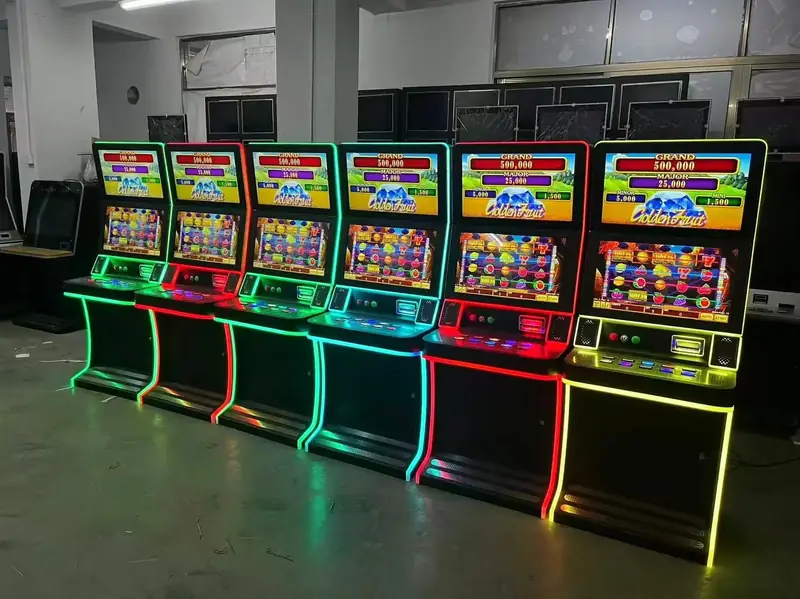
White label: the branding layer
White label means the hardware carries your identity end to end:
- Marquee, bezel, topper and boot screen.
- Colorway and control-deck artwork.
- Attract screens and floor identity in the CMS.
It does not, by itself, specify who designed the cabinet or wrote the firmware.
OEM: the build-layer engagement
OEM means you bring the design and a factory builds it to spec. ODM means the factory provides a proven reference design you then customize. Both describe who owns the build, not the branding.
| Dimension | White Label | OEM / ODM |
|---|---|---|
| Governs | Branding | Build & design ownership |
| You provide | Brand assets | Design (OEM) or market reqs (ODM) |
| Partner provides | Branded hardware | Build, firmware, certification |
| Differentiation | Strong via brand | Strongest via custom design |
Why they are not opposites
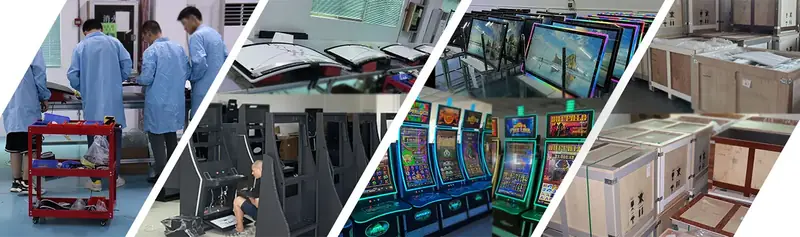
A typical distributor private-label line is an ODM build (proven reference) with white-label branding applied. The manufacturer controls the board, cabinet, firmware and certification; you control the identity. The result is a purpose-built product, not a relabeled import — because the branding is a managed change order, not a sticker at the dock.
Evaluation dimensions for regulated markets
| Question | White-label ODM | Full OEM |
|---|---|---|
| Speed to market | Faster (proven base) | Slower (design lock) |
| Differentiation | Brand + tuning | Brand + design |
| Certification | Re-aligned to your market | Built to your spec |
| Best for | Distributors, regional brands | Operators with locked IP |
The deciding factor is never the label. It is whether the private-label branding ships with a certification pack that matches the silicon — a branded cabinet you can defend in an audit.
Which should you choose?
- Distributor entering a region: white-label ODM — fast, differentiated, one certification pack.
- Operator with proprietary IP: full OEM — maximum control of design and math.
- Mixed: integrated OEM/ODM with white-label branding — one accountable source for board, cabinet, firmware and certification.
Related reading
- White Label Slot Machines — the full branded package.
- OEM/ODM Services — one accountable source end to end.
- Slot Machine Manufacturer & OEM/ODM Factory — what a real factory owns.
- Compliance — certification that travels with the hardware.
Frequently Asked Questions
See the FAQ panel above. For a private-label scoping, tell us your brand assets and target market in the inquiry form.
Frequently Asked Questions
What is the difference between white label and OEM for slot machines?
White label is about branding — your logo, colorway, attract and boot screens on hardware someone else builds. OEM is about the build — you bring the design and a factory builds it (or an integrated partner owns both). They are not opposites; a white-label program is usually an OEM/ODM engagement with branding applied.
Can I white-label without owning the design?
Yes. Most distributors white-label a manufacturer's reference design (ODM) and apply their brand. You get a differentiated product without designing from scratch.
Does white labeling affect compliance?
Branding itself does not change compliance, but the underlying build must still be certified for your market. The risk is only when the branded cabinet's paperwork does not match its board — an integrated partner keeps them as one pack.
Which gives more differentiation?
Full OEM (your design) gives the most differentiation; white-label ODM gives strong differentiation at lower cost and speed. The right depth depends on your design readiness and volume.