
If you're building or upgrading a regulated gaming floor, you'll eventually meet a slot game development company — the firm that builds the engine, the math, the content, and often the cabinet behind the games. But "game development company" covers a wide range, from pure software studios to full-stack OEMs that also manufacture the hardware. Knowing the difference — and what to demand — saves you months and a lot of margin.
This is a buyer's-eye view, written for operators and distributors, not players.
Key Takeaways - A slot game dev company builds engine + math + content + cabinet integration + CMS (scope varies). - Full-stack OEM (cabinet + software) = one accountable partner; software studio = you integrate the hardware yourself. - Demand a real certification track record (GLI/BMM), an in-house math team, and jurisdiction support. - Red flags: no referenced deployments, math you can't audit, "instant" certification claims. - The right partner ships a build you own — branding, data, and certified math.
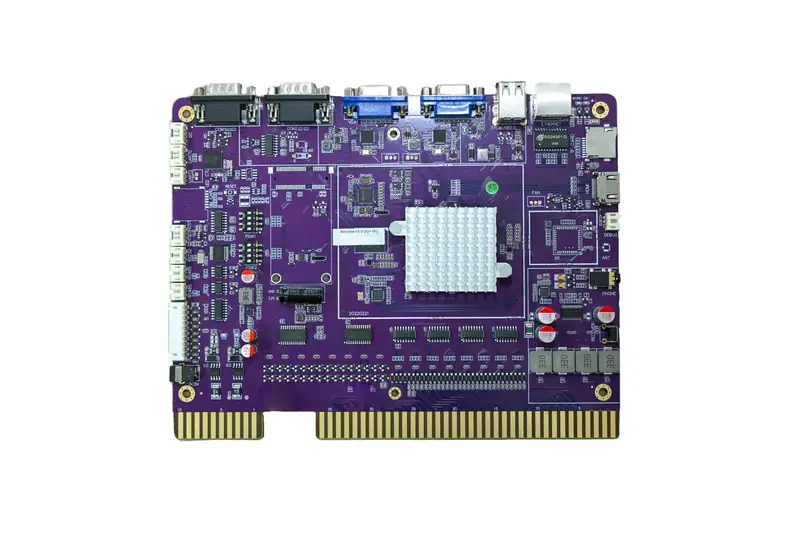
Strip the marketing and a slot game development company delivers some mix of five layers:
| Layer | What it is | Why you need it |
|---|---|---|
| Engine + RNG | The runtime and certified random source | The fair, auditable core of every game |
| Math models | RTP, volatility, hit frequency per title | Defines your margin and floor feel |
| Game content | Themes, features, art, bonus rounds | What actually pulls players in |
| Cabinet integration | Firmware, control panel, monitor, payout | Turns software into a durable machine |
| CMS / platform | Content push, config lock, reporting | Lets you run a floor, not a box |
A slot machine software specialist focuses on the top three. A custom slot machine development partner typically covers all five — which is where the "development company" label earns its keep.
This is the fork that changes your whole project:
Pure software studio — delivers engine, math, and content. You bring (or source) the cabinet and integrate the firmware yourself. Faster to prototype, but you own the integration risk and the certification hand-offs between vendors.
Full-stack OEM — builds cabinet, firmware, content, and CMS as one product. One partner certifies and supports the whole build. Slower to start, but accountability is single-threaded: when something doesn't certify, there's one phone number.
We're a full-stack OEM, so we're biased — but the bias is practical. For a regulated operator, "one accountable build" is usually worth more than "best-of-breed from three vendors who each blame the other."
When you evaluate a slot game development company, score them on five things:
A few signals say "walk away":
Most operators engage a slot game development company in one of two modes:
Either way, the deliverable should be something you own: branding, data relationships, and certified math — not a rental you can't leave.
Understanding what a slot game development company does changes how you buy:
If you're scoping a floor, the slot machine manufacturer overview ties all five layers into one accountable build — cabinet, software, and compliance from a single OEM.
A slot game development company is the partner that turns an idea and a cabinet into a certified, earning game. The best ones don't just sell you software — they hand you an owned, auditable, compliant build: branded hardware, refreshable content, and math you can prove. Choose on certification, math, and accountability, and the floor will still be earning when the demo reel is long forgotten.
Scoping a build? Talk to GOLDPRIME about full-stack OEM development — cabinet, software, and CMS as one accountable, certified product.
It builds the parts that make a slot machine run: the game engine and certified RNG, the math models that set RTP and volatility, the game content (themes and features), the cabinet and control-panel integration, and the CMS/platform that runs a floor. Some firms do only software; full-stack OEMs also build the hardware.
A pure software studio delivers engine, math, and content but relies on a separate cabinet maker. A full-stack OEM (like GOLDPRIME) builds cabinet, firmware, content, and CMS together, so one partner certifies and supports the whole build — which simplifies accountability and integration.
A real certification track record (GLI/BMM), an in-house math team, a content pipeline you can refresh, proven hardware integration, and jurisdiction support for the markets you operate in. Ask for referenced deployments, not just a demo reel.
Yes. Full-stack OEMs build white-label hardware with your branding, form factor, and industrial design, and develop the platform/CMS so you own the architecture and the data. That's the core of [white-label slot machine](/white-label-slot-machine/) delivery.
A custom engine plus a first content set typically runs 30–90 days depending on certification scope and market count; cabinet tooling adds lead time. Off-the-shelf content on your own cabinet can go live far faster.