
Key Takeaways
- GLI-11 is Gaming Laboratories International's standard for Gaming Devices and is the primary GLI reference for conventional physical slot machines and electronic gaming machines (EGMs).
- GLI-33 is different: it covers Event Wagering Systems, not normal physical slot-machine certification.
- GOLDPRIME GAME provides engineering and pre-certification readiness support; formal testing and certification are performed through GLI or the applicable independent laboratory and regulatory process.
GLI-11 certification for slot machines starts with a clear understanding of the device, the target jurisdiction and the technical standard that applies. GLI-11 is Gaming Laboratories International's standard for gaming devices. For physical slot machines and EGMs, engineering review commonly involves the cabinet and electronic hardware, RNG behavior, game logic, critical memory, software and firmware integrity, metering, peripherals and configuration controls.
GOLDPRIME GAME supports manufacturers, distributors and licensed operators before formal laboratory submission by preparing hardware, software, documentation and test evidence for review. We do not issue GLI certificates. Formal certification is completed through Gaming Laboratories International or the applicable independent laboratory and regulatory process.
For the official standards list, see Gaming Laboratories International's GLI Standards. GLI also describes formal pre-certification and quality-assurance testing for products in the R&D phase.
What Is GLI-11 Certification for Slot Machines?
GLI-11 is titled Gaming Devices. It is the GLI standard most directly associated with a conventional physical slot machine or electronic gaming machine. It provides a technical framework used by laboratories and regulators when evaluating gaming-device behavior and integrity. A project may also need other GLI standards or jurisdiction-specific rules depending on features such as progressive jackpots, monitoring systems, client-server architecture, cashless functions or local regulatory requirements.
If your project is a physical slot cabinet, start with the device architecture and GLI-11 scope. If the project is an online sportsbook or another event-wagering system, GLI-33 is the more relevant GLI standard. This distinction matters because a search for "GLI certification" can refer to very different product categories.
GLI Certification Quick Facts
| Question | Practical Answer |
|---|---|
| Primary GLI standard for conventional physical slot machines | GLI-11 — Gaming Devices |
| Who owns the standard? | Gaming Laboratories International (GLI) |
| Typical product type | Physical slot machines / electronic gaming machines (EGMs) |
| Typical engineering areas | Hardware, RNG, game logic, critical memory, software/firmware integrity, metering and peripherals |
| What does GLI-33 cover? | Event Wagering Systems |
| Who issues GLI certification? | GLI or the applicable independent laboratory / certification process — not GOLDPRIME |
| GOLDPRIME's role | Engineering, documentation and GLI-11 certification-readiness support |
GLI-11 vs GLI-33: Which Standard Applies?
The GLI standard number should follow the product architecture, not the keyword with the largest search volume. The official GLI standards directory distinguishes gaming devices from event wagering and system standards.
| GLI Standard | Official Scope | When It May Matter to a GOLDPRIME Buyer |
|---|---|---|
| GLI-11 | Gaming Devices | Primary starting point for physical slot machines and EGMs. |
| GLI-12 | Progressive Jackpots | May apply when the gaming product includes progressive jackpot functionality. |
| GLI-13 | Monitoring and Control Systems and Validation Systems | Relevant when the machine integrates with monitoring, control or validation systems. |
| GLI-21 | Client-Server Systems | Relevant to client-server gaming architectures; it is not simply a generic "player tracking" standard. |
| GLI-33 | Event Wagering Systems | Relevant to sportsbook/event-wagering platforms, not the primary standard for a conventional physical slot cabinet. |
For a broader market-level comparison, read our CE vs GLI certification guide and the gaming machine compliance center.
What Does GLI-11 Testing Cover on a Slot Machine?
The exact laboratory scope depends on the product, submission and jurisdiction. For an OEM slot-machine project, the following engineering areas commonly need to be controlled and documented before formal submission.
1. Gaming Machine Hardware & Device Integrity
Cabinet electronics, displays, ports, access controls, power behavior, wiring, peripherals and hardware configuration should be stable and reproducible across the submitted build. GOLDPRIME's slot machine manufacturing and commercial slot machine pages show how cabinet, electronics and production configuration are managed as one system.
2. RNG, Game Math & Outcome Integrity
The random number generator, game math and outcome logic must be implemented consistently with the submitted configuration. Our RNG engineering for gaming machines capability covers RNG implementation, testability, game math documentation and engineering review before lab submission. For operator-facing math concepts, see our guide to slot machine RTP.
3. Critical Memory, Software & Firmware Integrity
Build identification, firmware versions, configuration controls, critical-data handling and recovery behavior should be documented and frozen for the submission. A late software change can trigger additional review, so version control and a clear submission baseline matter.
4. Metering, Accounting & Peripheral Interfaces
Accounting meters, validators, displays and other interfaces may be reviewed as part of the device or as part of adjacent system requirements. Applicability depends on the cabinet design, jurisdiction and external systems. Standards such as GLI-13 or GLI-21 can become relevant when the machine connects to broader monitoring or client-server architecture.
GOLDPRIME GLI-11 Certification-Readiness Workflow
- Market & jurisdiction definition — confirm country/state, regulator, game type and target machine configuration.
- Applicable-standard mapping — identify GLI-11 plus any relevant progressive, monitoring, client-server or jurisdiction-specific requirements.
- Hardware review — freeze cabinet, mainboard, displays, validators, I/O and communication interfaces for the submission configuration.
- RNG & game-math review — review RNG implementation, RTP/PAR documentation, game logic and reproducibility.
- Software & firmware baseline — establish build IDs, hashes, configuration records and controlled release files.
- Pre-compliance testing — use internal engineering checks and laboratory pre-certification services where appropriate to find issues before formal certification testing.
- Submission & deficiency resolution — support the buyer and selected lab with technical files, clarification, design corrections and re-test preparation when required.
For a complete custom program, see gaming machine OEM engineering. Buyers can also send the target jurisdiction and cabinet specification through our gaming machine project quote form.
Our Pre-Compliance Lab
Before formal submission, GOLDPRIME uses internal hardware and environmental checks to reduce avoidable engineering failures. These checks support certification readiness but do not replace GLI laboratory testing or jurisdictional approval.
| Test Type | Equipment / Method | Engineering Reference |
|---|---|---|
| EMC Radiated | Spectrum analyzer + antennas | EN 55032 / FCC Part 15 pre-check |
| EMC Conducted | LISN + EMI receiver | EN 55032 / FCC Part 15 pre-check |
| ESD | ESD gun (contact/air) | IEC 61000-4-2 |
| Surge | Surge generator | IEC 61000-4-5 |
| Burn-in | Temperature chamber | 48 h engineering stress test at 40–60°C |
| Drop / Shock | Packaging drop test | ISTA 2A-oriented packaging check |
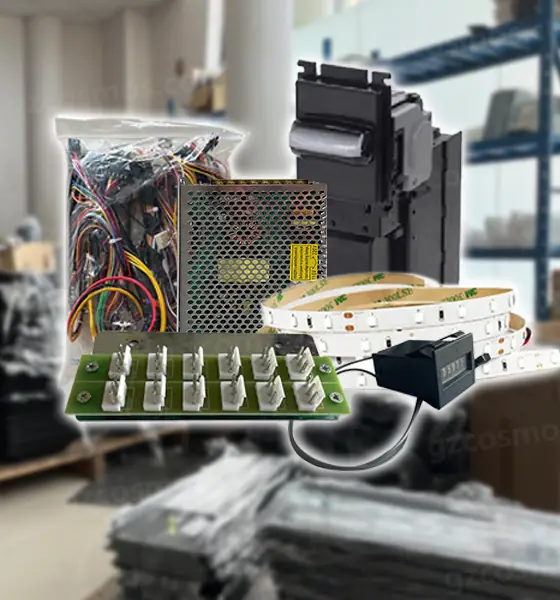
Typical GLI Submission-Readiness Package
Submission requirements vary by laboratory, product and jurisdiction. A well-prepared project can include:
- Product specification and submitted cabinet configuration
- Electrical schematics, PCB information and bill of materials
- Software / firmware build identification and controlled release files
- RNG description, game math, RTP or PAR documentation where applicable
- User / service manuals and configuration documentation
- Peripheral list, communication interfaces and system architecture
- Internal test records and previously completed pre-compliance evidence
- Jurisdiction-specific declarations or technical documents requested by the laboratory or regulator
GLI's own pre-certification service states that products in the R&D phase can be submitted for pre-certification testing before a formal submission, including functionality and conformity review. That is the role GOLDPRIME's internal readiness work is designed to support — finding engineering gaps before the formal certification cycle.
Where BMM and CE Fit
GLI is not the only route a buyer may encounter. BMM Testlabs provides independent gaming testing services in multiple jurisdictions, while CE marking is a separate European conformity framework rather than a gaming-device certification equivalent to GLI-11. The applicable path depends on where the machine will be deployed and which regulator or operator requirements apply.
- GLI / gaming laboratory testing: regulated gaming-device and system requirements.
- BMM testing: independent gaming testing and jurisdictional compliance services.
- CE conformity: European product conformity requirements such as EMC and electrical safety where applicable.
Use the CE and GLI certification comparison for a clearer market-by-market distinction.
Related GLI-11 & Slot Machine Engineering Resources
- RNG engineering for GLI testing
- Custom slot machine manufacturer
- Gaming machine OEM engineering
- Commercial slot machines
- CE vs GLI certification guide
- Slot machine RTP and game math
- Gaming machine compliance center
Frequently Asked Questions
What is GLI-11 certification for slot machines?
GLI-11 is Gaming Laboratories International's standard for gaming devices. For physical slot machines and electronic gaming machines, it is a primary technical reference for device behavior, game integrity and related requirements. Final certification is performed by the applicable independent testing and certification process.
Is GLI-33 certification required for slot machines?
Usually not for a conventional physical slot machine. GLI-33 is the GLI standard for event wagering systems. A physical slot machine or EGM normally starts with GLI-11, while other GLI standards may apply depending on jackpots, systems, architecture and jurisdiction.
What does GLI testing evaluate on a slot machine?
The exact scope depends on the product and jurisdiction, but engineering review can include gaming-device hardware, RNG behavior, game logic, critical memory, software integrity, metering, peripherals and configuration controls.
Does GLI-11 include RNG testing?
RNG behavior and game outcome integrity are important parts of gaming-device compliance. GOLDPRIME can review RNG implementation, game math, RTP documentation and software builds before formal laboratory submission.
What documents are typically prepared for GLI submission?
Requirements vary by lab and jurisdiction, but a submission package can include product specifications, schematics, BOM data, software and firmware build identification, game math or PAR documentation, manuals, configuration matrices and prior test records.
How long does GLI certification take?
There is no single reliable timeline for every project. Timing depends on product complexity, laboratory queue, jurisdiction, submission completeness and whether deficiencies require redesign or re-testing. Pre-certification work is intended to reduce avoidable re-test cycles.
Can GOLDPRIME issue a GLI certificate?
No. GOLDPRIME does not issue GLI certificates. We provide engineering, documentation and pre-certification readiness support. Formal testing and certification are completed through Gaming Laboratories International or the applicable independent laboratory and regulatory process.
Which GLI standards may apply beyond GLI-11?
Depending on the project, related standards can include GLI-12 for progressive jackpots, GLI-13 for monitoring and control systems, GLI-21 for client-server systems, and other jurisdiction-specific requirements. GLI-33 applies to event wagering systems rather than conventional slot cabinets.