
Key Takeaways
- OEM = you bring the design, we build to spec; ODM = we provide a proven reference design you then customize.
- In regulated markets the decisive factor is who owns the board, cabinet and certification when a rule changes — not the contract label.
- A vertically integrated OEM/ODM partner keeps board, cabinet, firmware and certification as one unit, which survives inspection.
Choosing between OEM and ODM slot machines is usually framed as a cost question. For a licensed operator in a regulated market, that framing misses the point. The question that actually survives an inspection is: who owns the board, the cabinet, and the certification when a rule changes?
Here is the answer up front: OEM and ODM are two ways to bring hardware to market — you bring the design, or the manufacturer does. In this category, the hardware and the certification are one system, and the partner who owns the whole stack is the one you can defend in an audit.
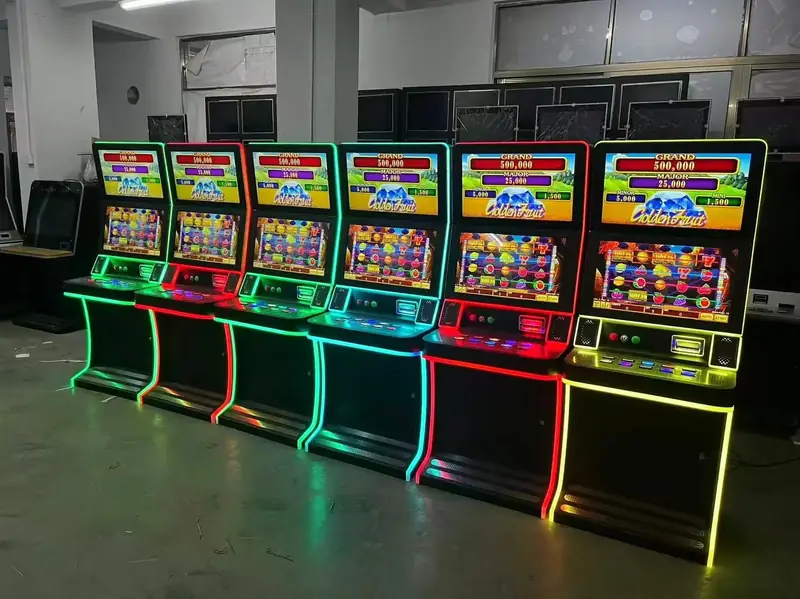
OEM vs ODM: the core distinction
| Dimension | OEM | ODM |
|---|---|---|
| Who owns the design | You (the operator/brand) | Manufacturer (proven reference) |
| Who owns the build | One factory, to your spec | One factory, to a base design |
| Best when | You have a locked design | You want speed from a proven base |
| Customization | Full, from your drawings | Tailored from reference |
| Compliance risk | Depends on your spec's cert readiness | Depends on whether reference fits your market |
Both can be private-labeled. The difference is the starting point, not the branding options.
Why the label matters less than the stack
In most consumer electronics, OEM vs ODM is academic. For compliant entertainment equipment in regulated markets, it is decisive — because the gaming mainboard, the enclosure, the firmware that controls play modes, and the certification that proves compliance must travel together.
If three vendors each own one piece:
- The board comes from a supplier you cannot reach.
- The cabinet comes from a different factory.
- The certification was issued against a configuration none of them fully controls.
A regulator's inspector then sees three stories instead of one. That fragmentation is what gets batches rejected.
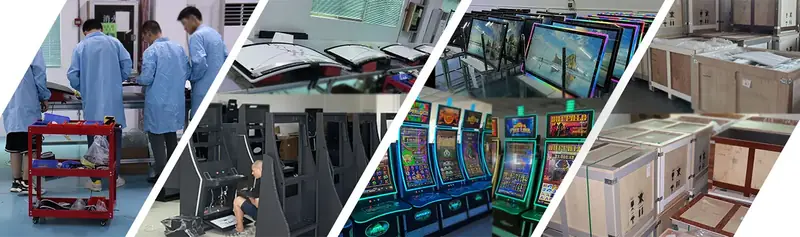
A vertically integrated OEM/ODM partner keeps the stack under one roof: software, board fabrication, assembly, branding, and the compliance documentation that travels with the unit. When you engage one accountable source, a rule change becomes a single managed update rather than three vendors deciding whether to move.
Evaluation dimensions for regulated operators
Use these lenses, not a price sheet, to compare OEM vs ODM slot machine programs:
- Certification ownership. Can the supplier reproduce a certification trail for any serial number? If the board, cabinet and firmware share one pack, yes.
- Customization depth. Can you specify play modes, operator-level controls, and enclosure — and have the change certified, not orphaned?
- Batch consistency. Will cabinet #2 match cabinet #1 at inspection? In-house boards and one line keep variation inside documented tolerances.
- Update agility. When your market's framework shifts, how fast can the build re-certify? One decision beats three vendors coordinating.
- Private-label defensibility. Does the paperwork match the silicon? A branded cabinet you can defend in audit is the product.
Which model fits your rollout
| Path | You bring | Partner owns | When it fits |
|---|---|---|---|
| OEM | Your design | Build to spec, certification | Locked design, need a compliant manufacturer |
| ODM | Market requirements | Reference design + customization | Proven base, tailored to your rules |
| Integrated | Shared spec | Board, cabinet, firmware, certification | One accountable source end to end |
For most licensed operators entering a new regulated market, the integrated model removes the most risk: one certification pack, one board variant, one compliance story across the fleet.
Related reading
- Slot Machine Manufacturer & OEM/ODM Factory — what a real factory owns.
- OEM/ODM Services — the full customization and certification program.
- White Label vs OEM Slot Machines — branding depth compared.
- Compliance — how certification travels with the hardware.
Frequently Asked Questions
See the FAQ panel above. For a market-specific OEM/ODM scoping, tell us your jurisdiction and volume in the inquiry form.
Frequently Asked Questions
What is the difference between OEM and ODM for slot machines?
OEM means you supply the design and the manufacturer builds to it; ODM means the manufacturer supplies a proven reference design that you customize. For regulated operators, the bigger question is who controls the board, cabinet and certification.
Which is better, OEM or ODM?
Neither is universally better. OEM fits a locked design you need built compliantly; ODM fits a faster path from a proven base you then tailor to your market's rules. The right choice depends on your design readiness and compliance scope.
Does ODM compromise compliance?
Not by definition. A reference design still must be certified for your jurisdiction. The risk is only when the reference design was built for a different market; an integrated partner re-aligns certification rather than shipping a mismatch.
Can I private-label both OEM and ODM builds?
Yes. Private-label branding (logo, colorway, attract screen, boot screen) applies to both; the difference is the starting design, not the branding options.