
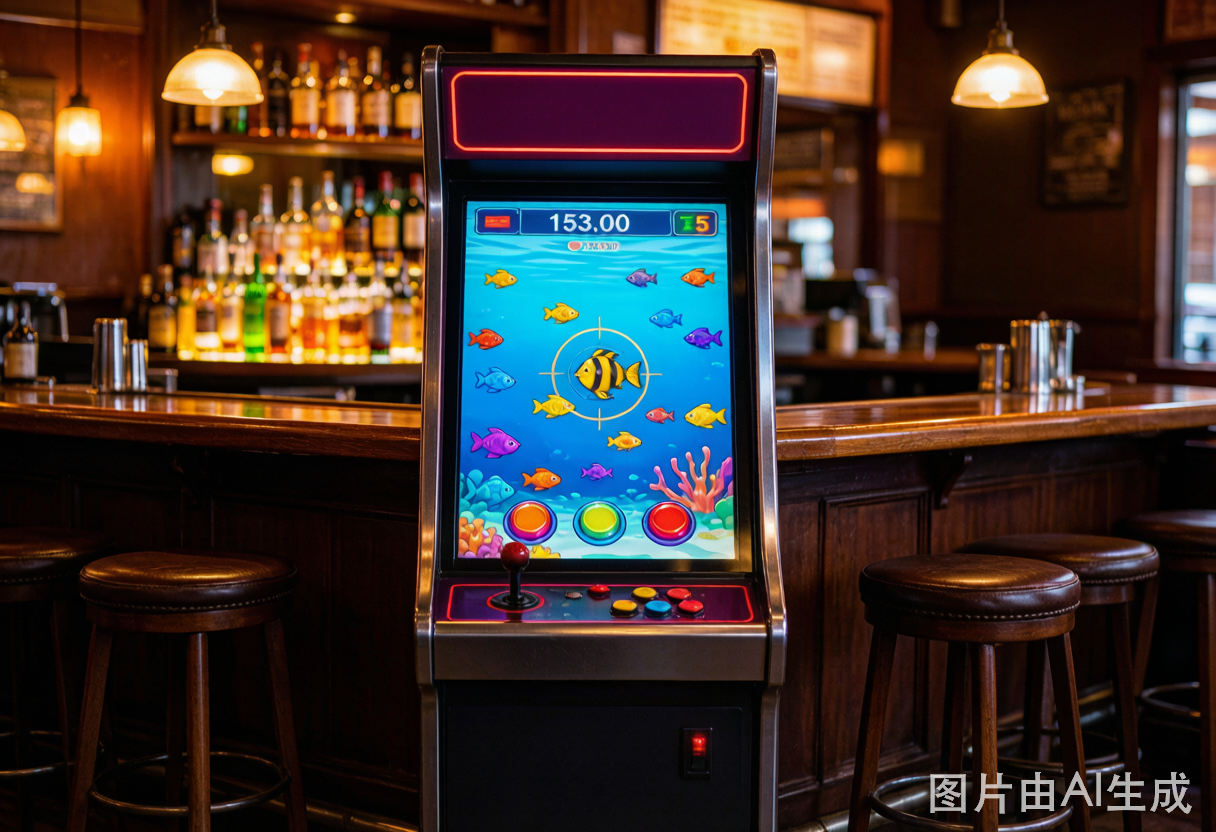
A commercial fish arcade cabinet is a durable, revenue-generating fish-shooting game machine built for venues like bars, convenience stores, and family entertainment centers. To choose the right one: (1) match player count to your real foot traffic, (2) pick a payout model that's legal in your state, and (3) buy a steel-framed cabinet that survives years of commercial use. In this 2026 buyer's guide we'll walk through every decision point—from 2-player bars to 10-player FECs—so you can stop guessing and buy the thing that actually fits your floor.
You've probably seen fish games wreck locations that bought the wrong thing. A cabinet too big for the room. A cash-out model in a state that bans it. A 10-player beast in a convenience store where three people never show up at once. None of that has to be you.
We'll cover venue fit, player-count math, payment configurations, skill vs. chance modes, build quality, OEM custom options, and the legal fine print that actually bites. By the end you'll have a shortlist and a clear next step.
Key Takeaways - Match player count to real foot traffic: 2–4 players for bars and convenience stores, 6–10 for FECs and dedicated game rooms. - Choose your payout model early—coin/ticket redemption for family venues, bill-acceptor cash-out only where your state explicitly permits skill or redemption gaming. - Skill / Nudge / Zero-Chance modes are not the same thing; the legal status of each varies by state (PA, TX, FL treat them differently). - Steel-framed cabinets with modular game boards cost more upfront but survive years of commercial use and cheap game swaps. - OEM/custom manufacturing pays off once you operate 5+ locations or want a branded, differentiated floor. 中文读者:我们另有 中文版商用设备选购指南(2026)→,面向北美华人开店者的整包设备采购逻辑。
Here's something most first-time buyers miss: the game board inside a fish cabinet changes every 12–18 months. The cabinet itself should last you five to ten years. Yet people obsess over which Ocean King title is "hot" and ignore whether the steel frame will still be solid in 2028.
A commercial fish arcade cabinet is a fixed asset. It occupies floor space, draws power, and—if chosen well—earns every single day your doors are open. Choose poorly and you'll eat the cost twice: once to buy it, once to replace it.
The three mistakes that sink new operators:
Let's keep you out of all three.
Want a side-by-side spec sheet before you read on? Download our free Commercial Fish Cabinet Selection Checklist → — it's the exact framework we use with new GOLDPRIME operators.
Before you compare monitors or player counts, be honest about where this machine lives. The same cabinet that's perfect for a Texas tavern is wrong for a Florida family entertainment center (FEC).
A neighborhood bar usually peaks at 2–4 active players at any moment. You want a machine that doesn't dominate the room and doesn't require a cashier. A coin operated fish game machine with ticket-out, or a 2–4 player skill cabinet, fits beautifully. Keep it under 56 inches wide if your floor is tight. See our fish game setups for bars and taverns →
C-stores run on impulse and quick plays. Foot traffic is high but dwell time is low. A 4-player model near the counter captures walk-in play without needing a dedicated game attendant. Many operators in this segment run redemption fish game machine configs (ticket-out) to stay clear of cash-payout rules. Explore convenience-store fish game placement →
FECs live on throughput and birthday-party groups. This is where an arcade fish table cabinet with 8 or 10 seats earns its keep—kids and parents play side by side, and ticket redemption feeds your prize counter. Floor space is usually abundant, so the larger footprint is a feature, not a problem.
If you run a route of skill machines across multiple locations, standardization matters more than novelty. You'll want identical control panels, the same bill acceptor brand, and game boards you can swap in minutes. That's an OEM conversation, which we'll get to.
Mini story: Maria opened a taqueria-bottle-shop combo in San Antonio in 2024. She bought a 10-player fish table because "bigger means more money." Six months in, her peak simultaneous play was three. The cabinet ate a third of her floor, and the cash-out config drew a compliance letter from the county. She downsized to a 4-player ticket-redemption unit and quietly tripled her net take per square foot. Right-size first; scale later.
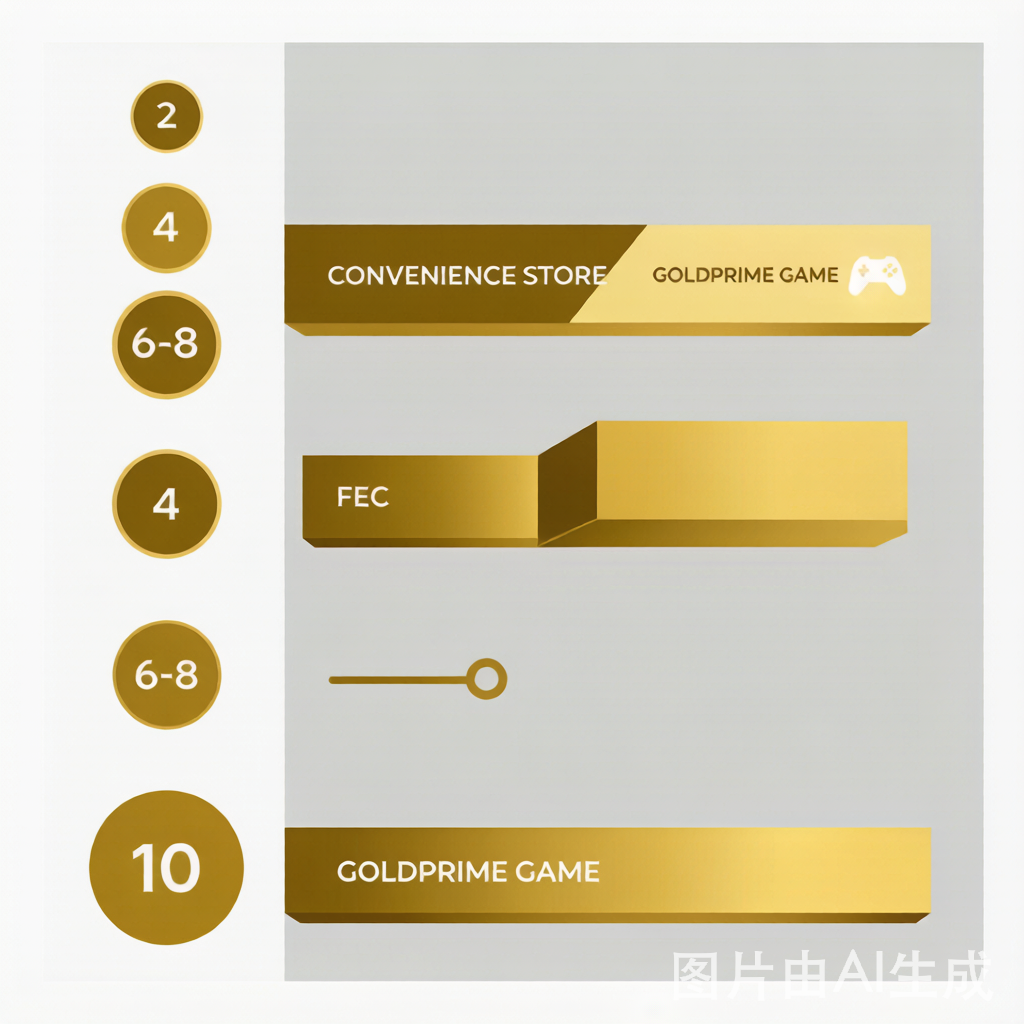
Player count is the single biggest lever on both revenue and footprint. Most venues should buy a 4-player cabinet; choose 2 players for tight bars, 6–10 for FECs. Here's the practical breakdown.
| Players | Best For | Footprint (approx.) | Typical Config |
|---|---|---|---|
| 2 | Couples, small bars, waiting areas | Compact (≈50" wide) | Ticket-out or skill |
| 4 | Convenience stores, pubs | Medium (≈56–66" wide) | Coin / ticket redemption |
| 6–8 | Arcades, game rooms | Large (≈75–85" wide) | Ticket + card reader |
| 10 | FECs, dedicated fish rooms | XL (≈78" wide, 86"+ screens) | Full redemption or cash (where legal) |
Lowest cost of entry. Good as a "tester" unit if you've never run fish games. Don't expect it to be your flagship earner—it won't.
This is the workhorse for single-location small businesses. A fish game cabinet 4 player unit fits most rooms, serves both solo and small-group play, and keeps staffing simple. If you only buy one cabinet, this is the safe default.
When you have the floor and the crowd, an 8-player table turns fish gaming into a social event. Operators we work with report that groups of 4–6 playing together spend more per session than solo players—the "watch-your-friend-win" effect is real.
A fish game cabinet 10 player model is a centerpiece, not a complement. At roughly 200 cm wide and 270+ kg, this beast needs its own zone, planned power, and someone managing the crowd. Best reserved for FECs or venues already proven to fill 6 seats consistently.
Not sure which size fits your floor plan? Our team will map player count to your actual square footage—talk to a GOLDPRIME specialist → and we'll send layout recommendations free.
Mini story: "Devon" runs three truck-stop convenience stores across Ohio. His first location got a 6-player unit on a hunch. Within two months the Saturday afternoon queue regularly exceeded six. He added a second 4-player cabinet at the other end of the counter instead of upgrading to 10—spreading players across two machines cut wait times and lifted total take 40%. Sometimes two mid-size cabinets beat one giant.
This is where operators get confused—and occasionally fined. Three configurations dominate the commercial market.
Classic amusement setup. Players feed coins or tokens; winnings return as more coins or tokens redeemable at the counter. Low legal risk, but it requires staff to manage token sales and redemption. Common in older arcades.
Players earn printed tickets they redeem at a prize counter. This is the family-friendly, lowest-regulatory-risk model and pairs perfectly with a redemption fish game machine strategy. You control payout value through prize pricing, not cash. GOLDPRIME's F600 Cash Redemption Machine and ticket redemption kiosks are built exactly for this loop.
A coin operated fish game machine with a bill acceptor and direct cash or prize payout sits in the highest-revenue, highest-scrutiny category. In venues where skill-game laws permit it, this configuration can outperform ticket models on per-play revenue. But check local legality first—we mean it, because fines aren't fun (see compliance below).
What to look for in the hardware: - A reputable bill acceptor brand (ICT, PTI, or ITL) with jam-resistant transport. - Pre-cut panels for bill acceptor and thermal printer so you can upgrade without rewiring. - Modular internal wiring so a game-board swap is "unplug and plug in," not an electrician call.
If you're shopping in the U.S. skill-game space, you'll hear three terms thrown around as if they're identical. They aren't, and the distinction affects both your buyers and your legal footing. When you evaluate a skill fish game cabinet, keep these straight.
The machine presents an outcome influenced—at least in part—by player decision. Producers argue this "element of skill" separates it from pure-chance slots. GOLDPRIME's Solaris skill cabinet is engineered around this model, with adjustable hold percentages (the house edge you set as operator) and operator-controlled math.
A variation where the player can touch a reel or symbol to nudge it into a winning position within a short window. It's marketed as a skill element but functions as a controlled bonus.
These machines allegedly reveal the next outcome in advance, forcing the player to "decide" whether to play—an attempt to sidestep state prohibitions on chance-based gaming. The legal acceptance of zero-chance claims is the most contested of the three.
Why this matters to you: the same cabinet hardware can often run any of these modes via different game boards. That flexibility is a feature—but it means you, the operator, are responsible for loading only the mode your jurisdiction allows. GOLDPRIME's Solaris platform lets you lock configuration at the operator level so locations can't accidentally drift into a non-compliant mode.
See the Solaris skill cabinet in action? Request a live demo or free quote → and we'll walk you through operator-level mode controls.
Commercial cabinets take abuse: spilled drinks, leaning players, constant button mashing, and climate swings from Texas heat to Florida humidity. Three things separate a cabinet that lasts from one that becomes a warranty headache.
Steel vs. wood-composite frames. Powder-coated steel (like the Arcooda and GOLDPRIME lines) shrugs off dents and moisture. Wood-composite warps and smells within a season in humid venues. Pay the premium; it pays back.
Control panels. Look for acrylic or sealed panels with illuminated, domed "shoot" and "enhance" buttons. Taiwan- or Japan-sourced joysticks outlast generic sticks by years. If a button fails monthly, your machine is down and earning zero.
Monitor and sound. A 43", 55", or 58" HD panel is standard; larger 4K screens exist for premium 10-player tables. A 2.1 sound system with subwoofer pulls players in from across the room—attract mode lighting matters more than you'd think for impulse play.
GOLDPRIME's 43" and 32" vertical cabinets are a smart pick for venues with narrow walls or aisle constraints—vertical form factors fit where a wide table can't, and they still deliver full fish-game software support.
Most first-time buyers should buy a proven, off-the-shelf cabinet. But two situations justify going OEM/custom:
OEM manufacturing lets you specify cabinet material, lighting, control layout, and even custom game software. The trade-off is lead time (typically 30–60 days vs. in-stock shipping) and higher minimum order quantities. If you're a single-venue owner today, bookmark this for year two.
Running a multi-location route? GOLDPRIME's OEM team builds branded, standardized fleets—start your custom cabinet conversation →.
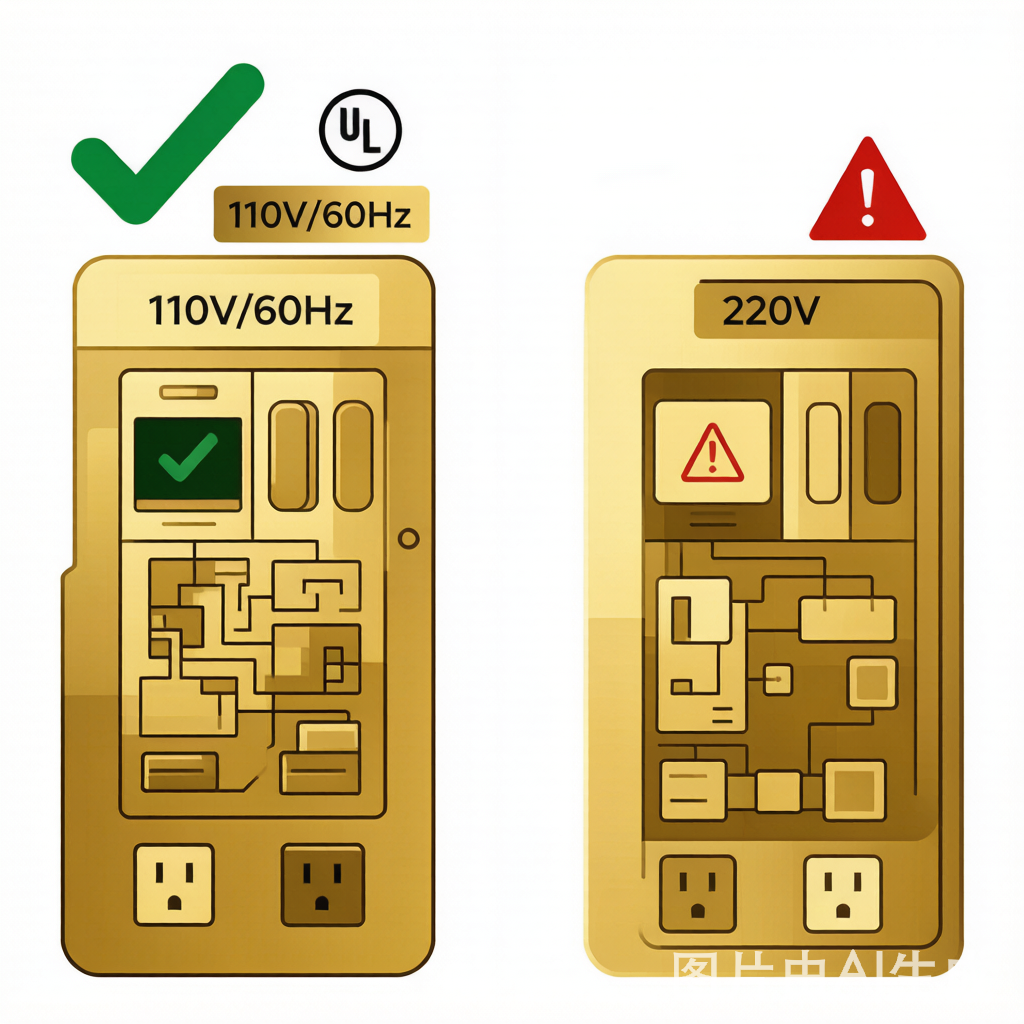
Fish games and skill machines live in a legal gray zone that shifts by state and often by county. A few anchors from recent industry reporting:
The takeaway isn't "avoid fish games"—it's confirm your specific county's stance before you install a cash-out unit. Ticket-redemption and token models carry far less risk in most jurisdictions. GOLDPRIME ships compliant configurations by default and will not load a cash-payout mode in a state where it's prohibited.
⚠️ This guide is general education, not legal advice. Fish-game and skill-machine law changes by county and gets litigated constantly. Before you wire a cash-out unit, hire a gaming attorney licensed in your state. GOLDPRIME ships compliant-by-default configs, but the install decision—and its consequences—are yours. For a full legal breakdown by state, see our skill game operator regulations guide (sister article).
Run every cabinet you're considering through this five-point filter:
If a cabinet fails any one of these, keep shopping.
What is a commercial fish arcade cabinet? A commercial fish arcade cabinet is a durable, revenue-generating fish-shooting game machine built for venues like bars, convenience stores, and FECs. Unlike a home game, it uses coin, ticket, or bill-acceptor payout systems and is engineered for years of daily commercial use.
How many players should my fish cabinet have? 2–4 players for bars and convenience stores; 6–10 for FECs and arcades. Match the count to your real peak traffic, not to the biggest screen available.
Are commercial fish game cabinets legal in the US? Legality varies by state and county. Ticket-redemption and token models carry the lowest risk in most jurisdictions; bill-acceptor cash-out units require explicit local permission (PA, TX, FL each treat this differently). Always confirm with a state-licensed gaming attorney before installing a cash-out unit.
What's the difference between skill, nudge, and zero-chance modes? Skill mode lets player decisions influence the outcome; nudge offers a timed bonus nudge; zero-chance reveals the next outcome and asks the player to decide. The legal acceptance of each varies, so load only the mode your jurisdiction allows.
Choosing a commercial fish arcade cabinet isn't about buying the biggest screen or the hottest game board. It's about matching a durable, compliant machine to your real venue, your real traffic, and your real state laws. Right-size the player count, pick the safest payout model that still earns, and buy steel that lasts. Do that, and your cabinet becomes the quietest, most reliable earner on your floor.
Ready to put this guide to work? Contact GOLDPRIME for a free, no-pressure quote on OEM and off-the-shelf commercial fish arcade cabinets → — tell us your venue type and player count, and we'll recommend the exact model (Solaris skill cabinet, F600 redemption machine, or 43" vertical unit) that fits.
Meta Title: Commercial Fish Arcade Cabinet: 2026 Buyer's Guide Meta Description: Learn how to choose a commercial fish arcade cabinet in 2026: venue fit, player count, payout modes & compliance. Get a free GOLDPRIME quote today. Primary Keyword: commercial fish arcade cabinet Secondary Keywords: arcade fish table cabinet, coin operated fish game machine, skill fish game cabinet, fish game cabinet 10 player, redemption fish game machine URL Slug: /blog/en/how-to-choose-commercial-fish-game-cabinet/ Word Count: ~2,750
<head> injection){
"@context": "https://schema.org",
"@type": "Article",
"headline": "How to Choose a Commercial Fish Arcade Cabinet (2026 Buyer's Guide)",
"description": "Choose the right commercial fish arcade cabinet in 2026: match player count to foot traffic, pick a state-legal payout model, and buy a steel-framed cabinet built to last.",
"inLanguage": "en",
"datePublished": "2026-07-15",
"author": {
"@type": "Organization",
"name": "GOLDPRIME GAME"
},
"publisher": {
"@type": "Organization",
"name": "GOLDPRIME GAME"
},
"mainEntityOfPage": {
"@type": "WebPage",
"@id": "https://www.chinaslotmachine.com/blog/en/how-to-choose-commercial-fish-game-cabinet/"
}
}