
So, how much does a fish game machine cost in 2026? A single commercial fish table cabinet costs roughly $800 to $6,000 at the factory gate (ex-works), but your real landed cost — after shipping, tariffs, and setup — typically lands between $1,200 and $8,000+ per unit. A fish table costs about the same at the factory, or $1,200–$8,000 once landed. The wide spread isn't random. It reflects screen size, player count, redemption configuration, build quality, and brand. If you're budgeting for a venue, the sticker price is only the first number on a much longer invoice.
You've probably noticed the same "fish table" listed at $900 on one site and $5,500 on another. That gap keeps new operators up at night. You're not doing anything wrong by being confused. The market is genuinely fragmented, and most listings hide the part that actually breaks budgets: freight, duties, and floor prep.
This guide walks you through every layer of the fish game machine price list — from entry-level 2-player cabinets to 10-player deluxe units — and the hidden expenses most first-time buyers miss. We'll break down price by player count, explain what drives the cost up or down, show you a build-to-budget comparison table, and finish with a simple framework for requesting a quote that won't blindside you. By the end, you'll know exactly what to expect before you ever contact a supplier.
Key Takeaways - A single fish game cabinet costs $800–$6,000 ex-works; landed cost with freight and duties runs $1,200–$8,000+ per unit. - Player count is the biggest price lever: 2-player units start near $800, while 8–10-player deluxe cabinets reach $5,000–$6,000 (Arcooda premium range data). - Redemption configuration (coin, ticket, or cash-out) adds $300–$1,200 versus pure skill/board-only machines. - Hidden costs — ocean freight, import duty (10–25% China→US), VAT (20–25% EU/UK), crating, and floor modification — can add 30–60% on top of the unit price. - A typical board-level hold of 40–60% (the share of player bets the machine keeps) means a well-placed 8-player cabinet can recover its cost in months, not years — but only if you buy the right config for your traffic.
Walk any two supplier showrooms and you'll see the same Ocean King board priced three different ways. The reason isn't deception. It's that "a fish table" describes a dozen different products wearing the same name.
A bare 2-player mini cabinet with a generic board sells for under $1,000. A 10-player, 86-inch, cash-redemption deluxe cabinet with a Samsung panel and ICT bill acceptor can clear $6,000. Same category. Completely different business.
See the build differences across our Solaris cabinet range →
Three forces create most of the spread:
The takeaway for a first-time buyer: never compare two quotes by price alone. Compare what's inside the crate.
Marcus opened a convenience-store gaming corner in Texas in early 2025. He found a 4-player fish table advertised at $950 and bought two. The listing didn't mention the $1,400 combined ocean freight, the 25% tariff assessment at the port, or that the boards arrived region-locked to software he couldn't legally run in his state. By the time he resold the units at a loss and reordered compliant cabinets, his "savings" had cost him roughly $4,000 in freight, duties, and write-offs. The $950 price tag was real. It just wasn't the number that mattered.
Let's get concrete. The table below maps typical 2026 ex-works (factory) price ranges by configuration, drawn from publicly listed supplier data and Arcooda's published cabinet pricing.
| Configuration | Typical Ex-Works Price | Best For |
|---|---|---|
| 2-player mini / vertical | $800 – $1,500 | Small shops, low foot traffic |
| 4-player standard | $2,700 – $5,500 | Mid-size venues, smoke shops |
| 6-player premium | $3,500 – $5,995 | Dedicated gaming rooms |
| 8-player deluxe | $4,289 – $6,000 | High-traffic arcades |
| 10-player large-format (86") | $900 – $3,500 (bulk/distributor) | Wholesale/distributor bulk |
Sources: Arcooda published cabinet range ($1,895–$5,995); Made-in-China 4-player listings ($4,800–$5,500); Accio 8-player listings ($4,289–$4,789); LiGei 10-player 55" ($2,499–$3,499).
Notice the 10-player row looks "cheaper" than the 8-player. That's the bulk-wholesale effect — large-format units listed at $900–$1,500 are often sold by the container to distributors, not single-venue operators. If you're buying one, expect the higher end of that band plus full logistics.
These are the entry point. A 2-player mini cabinet or a 32"/43" vertical unit fits a corner of a laundromat or a narrow hallway. Prices start around $800 for basic boards and climb to $1,500 with better panels and frames.
They're cheap for a reason: low throughput. Two seats means two revenue streams per session. Great for testing the water. Terrible for a venue that relies on volume.
The workhorse. A 4-player coin or ticket table in the $2,700–$5,500 range is what most first venues buy. Made-in-China factory listings for 4-player "Ocean King" style cabinets sit at $4,800–$5,500; branded mid-tier options land lower. This is the sweet spot for a single-location operator who wants social play without a warehouse-sized footprint.
Once you're running a dedicated room, 6–8 players changes the math. More seats = more simultaneous coin-in per square foot. Arcooda's 6-player premium and 8-player deluxe cabinets publish in the $3,500–$6,000 range, and Accio-listed 8-player units run $4,289–$4,789. The deluxe tier adds steel frames, better acoustics, and multiple wiring configs for different payment systems.
The 86-inch beasts. Listed as low as $900 in bulk and up to $3,500 for branded 55" 10-player units. These dominate Asian-style gaming halls and high-energy arcades. For a single US or EU buyer, budget the upper range plus full freight — the headline "$900" almost always assumes a container-scale order.
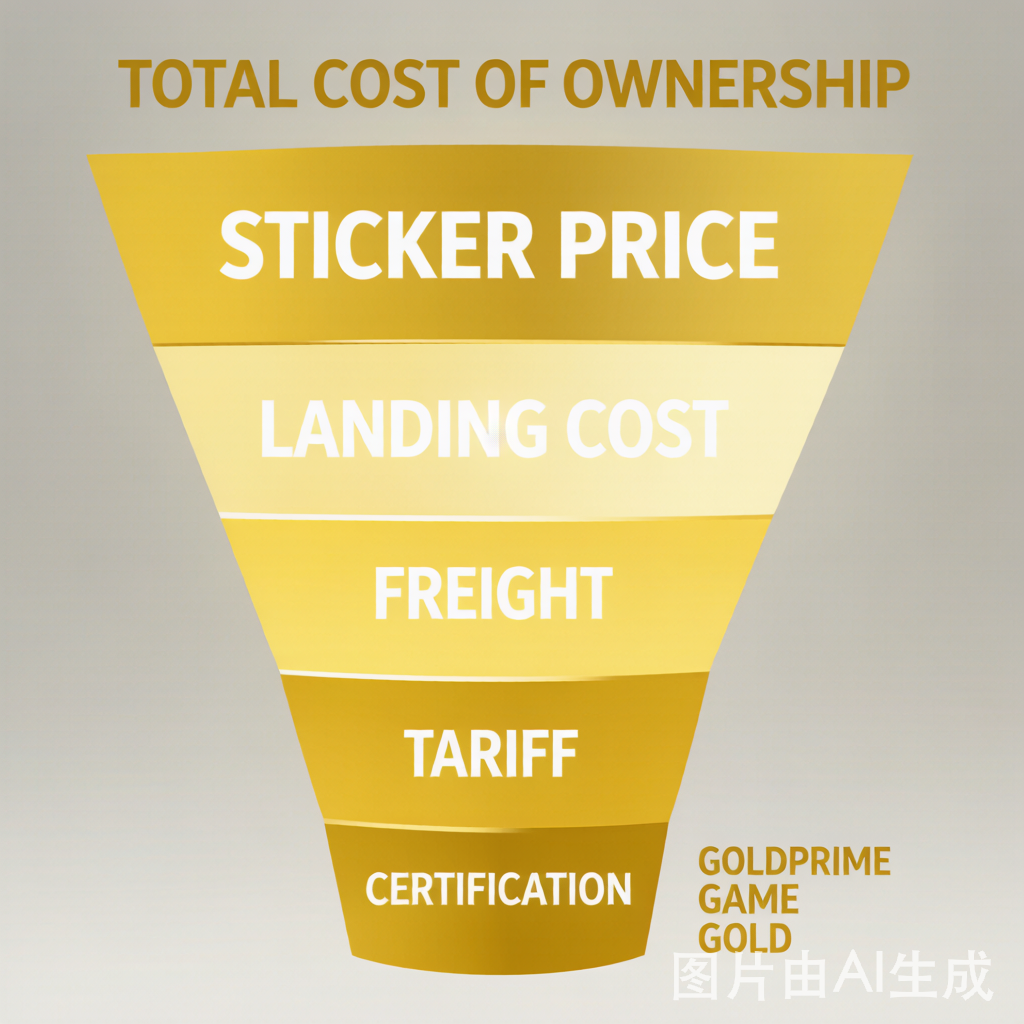
Here's where budgets break. The unit price is maybe 60–70% of what you'll actually spend. Let's itemize the rest.
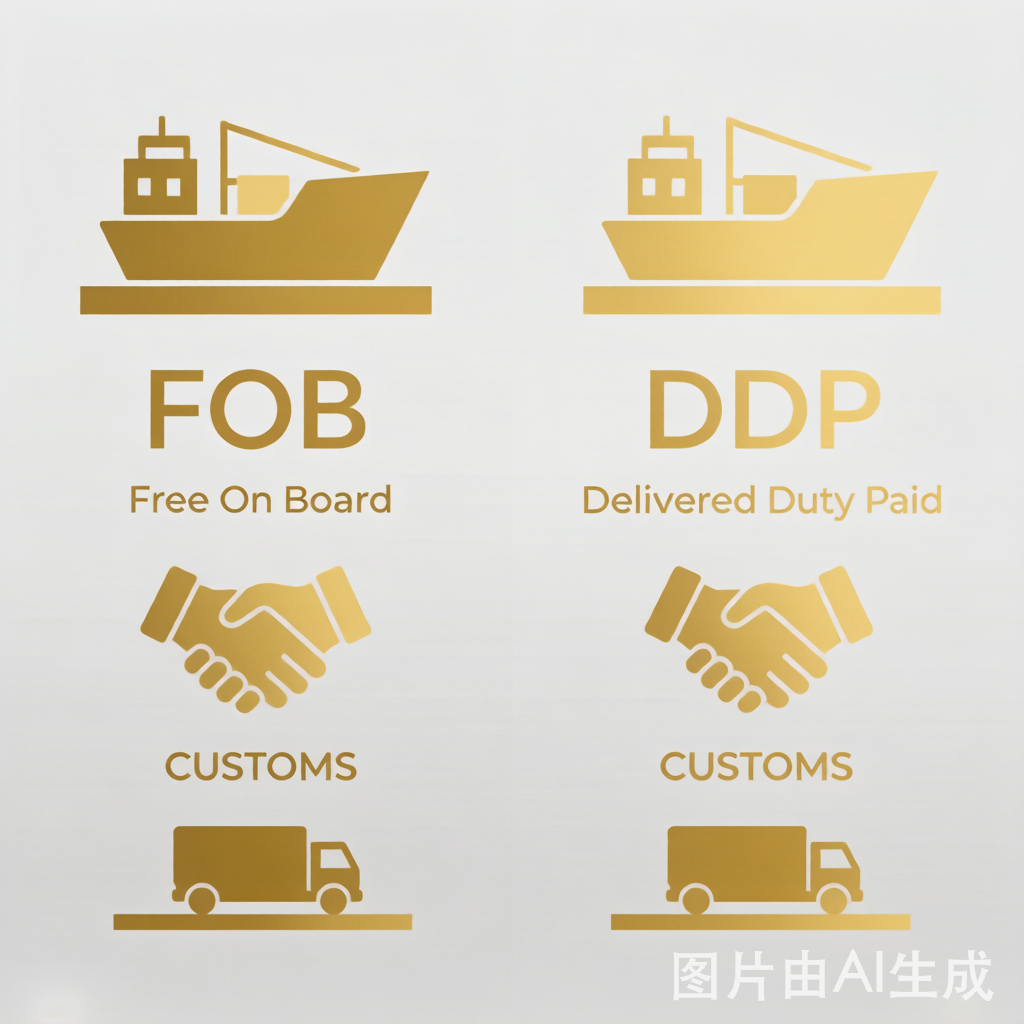
A 40-foot high-cube (40HQ) container from Guangzhou runs about $2,200 in baseline freight (sunfloweramusements.com container data). Packed smart, that's roughly $129 per machine. But if you're ordering fewer than a container's worth, Less-than-Container-Load (LCL) shipping jumps to $480–$650 per machine — plus $200–$500 in consolidation fees. One machine? Expect to pay serious per-unit freight.
Crating adds more. Arcade cabinets are top-heavy and fragile; proper wooden crating is non-negotiable. Budget $80–$200 per unit depending on size.
This is the line that surprises people. Official U.S. tariff rates for amusement machines are published in the Harmonized Tariff Schedule maintained by the U.S. International Trade Commission (HTS 9504 covers arcade/amusement articles).
A $5,000 cabinet landing in Germany isn't $5,000. It's $5,000 + freight + ~19–25% VAT. That's $6,200–$6,500 all-in before it touches your floor.
Pro tip: Always ask suppliers for both EXW (ex-works, you handle everything) and CIF/DDU (freight paid, duties not) quotes. The gap tells you exactly what logistics will cost.
Nobody budgets the electrician. A multi-player fish table draws real power, needs a stable 110V–220V supply, and wants a level floor with cable management. Site modification — outlets, reinforced flooring for 200–300 kg units, lighting, and security — commonly runs $300–$1,500 per machine in a retrofit space. New-build venues dodge most of this; leased retail spaces don't.
The board is only half the product. Game software licenses, anti-cheat updates, and remote configuration tools are increasingly subscription or per-board costs. A reputable supplier includes 12–18 months warranty (common across Made-in-China listings); budget for extended coverage after that at roughly $150–$400/year per cabinet.
Skimp here and a single bricked board during peak hours costs you more than the warranty would have.
If you only remember one section, make it this one. These are the five levers that move fish game cabinet cost the most.
A 55-inch no-name LCD versus an 86-inch Samsung commercial panel is the single biggest material cost gap. Bigger + branded = $500–$2,000 more. But commercial panels earn it back in uptime.
Doubling seats from 4 to 8 doesn't double the price — it adds maybe 40–60%. That's why 8-player cabinets offer the best revenue-per-dollar for busy venues. Match this against our complete commercial fish game cabinet selection guide to avoid over- or under-buying seats.
| Config | Added Cost vs. Board-Only | Notes |
|---|---|---|
| Skill / board-only | $0 (baseline) | Pure gaming, no payout hardware |
| Coin-operated | +$300–$600 | Bill acceptor + hopper |
| Ticket redemption | +$500–$900 | Printer + ticket system |
| Cash redemption (F600-style) | +$800–$1,200 | Full payout + compliance hardware |
The F600 cash-redemption system we offer sits at the top of this ladder — built for venues that need full cash-out capability with the wiring and validators already installed.
White-label factories compete on price. Branded manufacturers (Arcooda, and boutique builders like our Solaris commercial cabinet line) compete on support, spare parts, and consistent quality. You pay a premium, but you get a phone number that answers.
Custom art, branded cabinets, mixed-SKU containers, and special looms add cost but can differentiate your floor. Mixed-SKU container loading alone can deliver 15–25% more units per container (sunfloweramusements.com), indirectly lowering per-unit freight.
You don't need a spreadsheet wizard to sanity-check a quote. You need four numbers:
Add them. That's your real per-machine cost.
Now the part you came for — the money. Industry data shows board-level hold percentages (the share of player bets the machine keeps) in the 40–60% range for well-tuned fish tables. Per AGEM's industry impact analysis, the global gaming supplier sector generated $59.9B in economic output — a sign of how established and bankable the category is. A single busy 8-player cabinet can generate meaningful daily net win, and successful multi-machine venues report $10,000+ daily revenue at scale (operator-reported figures, serif.ai business guide). Even conservative single-venue models show stores netting six figures annually with steady clientele (profitableventure.com).
We'll dig into the full fish table profit & ROI guide — but the headline is simple: buy the right config for your traffic, and the machine pays for itself faster than most operators expect. The arcade fish table profit margin at a 40–60% hold is what turns a cabinet from a cost into a quiet earner.
Ready to see real numbers for your venue? Request a real quote built for your venue from our team →
Use this to match a cabinet to your situation. Prices are 2026 ex-works estimates with typical landed ranges for a single US/EU buyer.
| If you are… | Recommended config | Ex-works | Est. landed (single unit) |
|---|---|---|---|
| Testing with low budget | 2-player vertical | $800–$1,500 | $1,200–$2,200 |
| Single shop, moderate traffic | 4-player standard | $2,700–$5,500 | $3,800–$7,000 |
| Dedicated gaming room | 6–8 player premium | $3,500–$6,000 | $4,800–$8,000+ |
| High-traffic arcade / hall | 10-player large-format | $2,500–$3,500 | $3,500–$5,500 (bulk better) |
| Cash-payout venue | F600 redemption | +$800–$1,200 vs base | see above + config |
Remember: the right answer depends on your foot traffic, not the lowest sticker. A $900 cabinet in an empty store loses money. A $6,000 cabinet in a busy hall pays back in months.
Linda runs a family entertainment center in Ohio. In 2025 she almost bought six 4-player tables at $4,800 each because "four players felt safe." Then she mapped her Saturday afternoon traffic: 20–30 teens cycling through in two-hour blocks. Six 4-player tables = 24 seats, but they sat half-empty mid-week and jammed on weekends. A friend suggested three 8-player deluxe cabinets instead — fewer units, same peak capacity, 40% lower freight, and one-third the floor space. Her landed cost dropped from ~$36,000 to ~$22,000. Six months in, the three cabinets out-earned her projected six-table model because weekend lines fed themselves. Linda's lesson: match seats to traffic peaks, not averages.
How much does a fish game machine cost in 2026? A commercial fish game machine costs $800–$6,000 ex-works, with landed cost (freight + duty + floor prep) typically $1,200–$8,000+ per unit.
What is the profit margin on an arcade fish table? Well-tuned fish tables show a board-level hold of 40–60% (the share of player bets the machine keeps); a busy 8-player cabinet can recover its cost in months at steady foot traffic.
Why is a $900 fish table sometimes more expensive than a $5,500 one? The $900 figure is usually a bulk/distributor container price, not a single-unit quote. A single buyer pays the higher end plus full freight, duty, and crating.
Do I need to budget for anything beyond the cabinet price? Yes — ocean freight, import duty (10–25% China→US) or VAT (20–25% EU/UK), crating, floor modification, and software/warranty renewals typically add 30–60% on top of the unit price.
You've got the price picture. Here's where to go next:
Fish game machine price in 2026 spans $800 to $6,000 ex-works, but your true cost lands 30–60% higher once freight, duties, and floor prep enter the picture. Player count, screen grade, redemption configuration, and brand support are the levers that matter most. Buy the config that matches your traffic peaks — not the lowest sticker — and a well-tuned cabinet's 40–60% hold can return your investment in months.
The biggest mistake new operators make isn't overspending. It's under-budgeting the parts that aren't on the first quote. Now you know to ask for EXW and landed numbers side by side, to plan for duty and VAT, and to size seats to your busiest hours.
Don't guess on your budget. Talk to our team for a transparent, landed-cost quote → We'll size the right Solaris or F600 configuration to your venue and show you the full number before you commit a dollar.
Meta Title: Fish Game Machine Price 2026: $800–$6,000 Guide Meta Description: Wondering how much a fish table costs? Get 2026 fish game machine price ranges by size, player count, and config — plus the hidden landed-cost fees most buyers miss. Primary Keyword: fish game machine price Secondary Keywords: fish game cabinet cost, how much does a fish table cost, fish game machine price list, arcade fish table profit margin URL Slug: /blog/en/fish-game-machine-price-cost-breakdown-2026 Word Count: ~2,760
<head> injection){
"@context": "https://schema.org",
"@type": "Article",
"headline": "Fish Game Machine Price & Cost Breakdown 2026",
"description": "2026 fish game machine price breakdown: $800-$6,000 at the factory gate, $1,200-$8,000+ landed after freight, tariffs, and setup. Budget the real total cost of ownership.",
"inLanguage": "en",
"datePublished": "2026-07-15",
"author": {
"@type": "Organization",
"name": "GOLDPRIME GAME"
},
"publisher": {
"@type": "Organization",
"name": "GOLDPRIME GAME"
},
"mainEntityOfPage": {
"@type": "WebPage",
"@id": "https://www.chinaslotmachine.com/blog/en/fish-game-machine-price-cost/"
}
}